Sorted Books: Noguchi
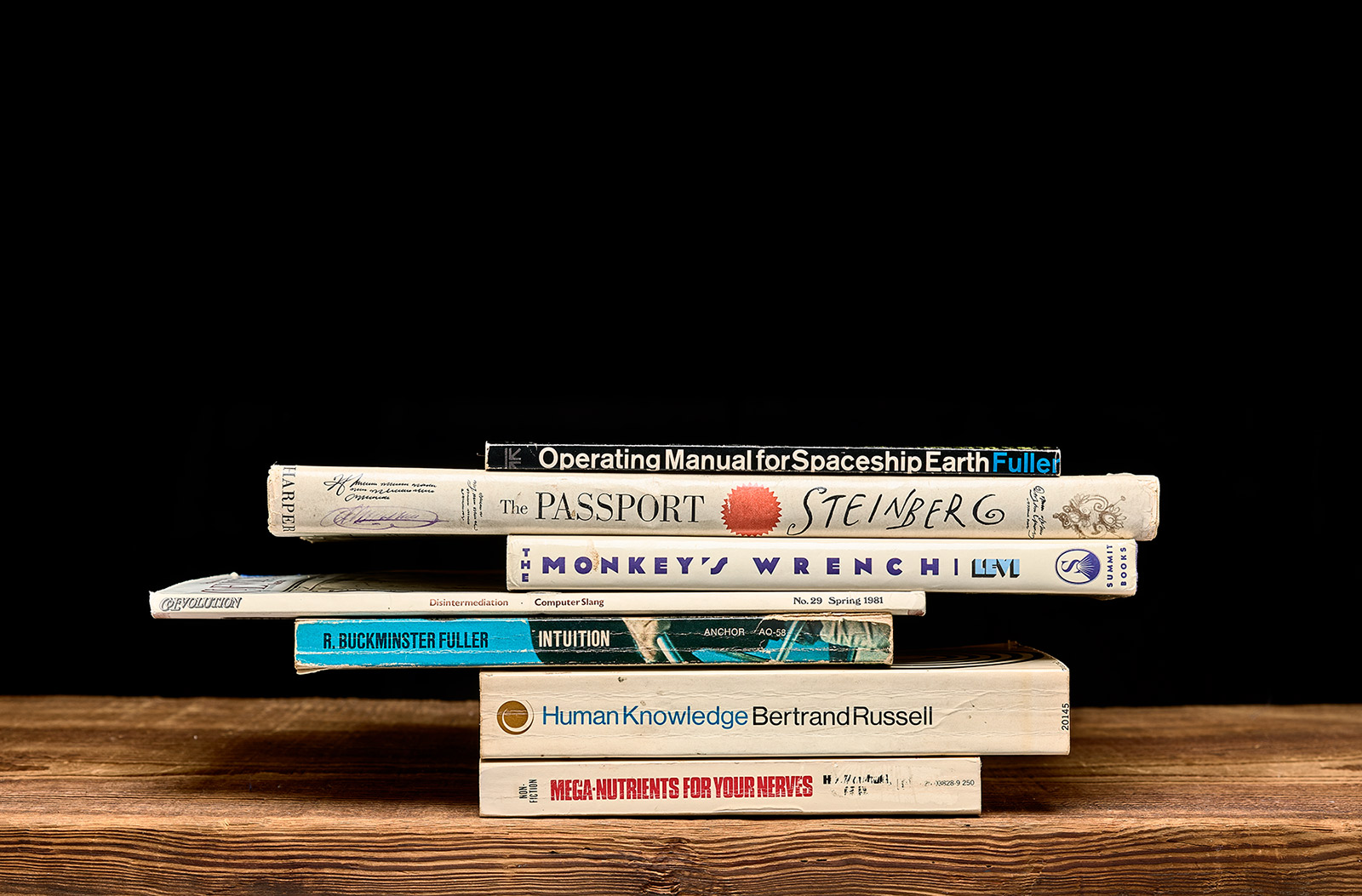
Operating Manual for Spaceship Earth, from the series Noguchi, 2021, from the project “Sorted Books,” 1993 and ongoing. Digital chromogenic prints, 12.5 × 19 inches.
“Sorted Books” is my longest ongoing project. It began in 1993 and has taken place on many different sites over the years, including in the private homes of friends, in rare book libraries, and in the archives of important literary figures. The process is the same in every case: I sort through a collection of books, make note of particular titles, and eventually group the books into clusters so that the titles can be read in sequence. The final results are most often shown as photographs of the book clusters, but on occasion, I exhibit the grouped books themselves. Taken as a whole, the clusters are a cross-section of that library's holdings that function as a kind of portrait.
The books of sculptor Isamu Noguchi (1904-1988) are kept in his two homes, one in Long Island City, Queens, and the other in Mure, Japan. In 2020, I was invited by the Noguchi Museum to work with Noguchi’s books. The pandemic made this project more complicated than usual. I was able to make one site visit to document the books in Long Island City and then worked with these images along with documentation photos from Mure, pinning up life-size color prints of both book collections on a large wall in my Berlin studio. In this facsimile library, I used my usual method: reading the book spines over and over, transcribing onto index cards the titles I thought might be useful, and then spending time composing potential book clusters using the index cards. I sent some preliminary groupings to Kate Wiener, assistant curator, who pulled those books from the Long Island City shelves and sent me back snapshots. Since the books in the Mure library couldn’t travel, we ordered secondhand copies, matching the editions exactly, and worked with those books in Long Island City as well.
The photo shoot was an eight-hour long Zoom session in Long Island City, with Kate and photographer Frank Oudeman arranging the books and making small tweaks based on my feedback as they screen-shared images with me in Berlin. This is the only time I’ve had to do a “Sorted Books” project so remotely. It required Kate and Frank to be my eyes and hands, and to tell me not only what things looked like but felt like. Although technology made it possible to do this project in a surprisingly effective way, it was bittersweet not to have tactile contact with the books, which often teaches me so much.
There is a fundamental question with every iteration of “Sorted Books” for me, and that concerns the “voice” employed in the book clusters. Do the book arrangements reflect the views and interests of the owner of the books, as if that person were talking? Or is it me speaking, but through the books? The Noguchi series leans more toward the latter, but I placed a lot of importance on including books that would point to the artist’s influences (there are five books on Brancusi, his teacher and mentor), his connection to poetry (Noguchi’s father was a poet, and Noguchi owned many books of and about poetry), and his important friendships (there are many Buckminster Fuller titles, and several books on Duchamp). I was struck by the number of books about health and fitness—something I hadn’t necessarily expected to find—and included these kinds of books in a variety of clusters. Noguchi read a lot about the ancient world, but he also collected a fair amount of popular, contemporaneous writing. Some of the most beautiful books concerned Japanese craft traditions (Origami, and the wonderfully titled How to Wrap Five More Eggs). Noguchi didn’t write much in his books, but in a paperback anthology of comical short essays (a book he didn’t get too far into), there are sketches in pen on the blank page facing the title page. They might be sketches for an Akari lamp or one of his endless columns, or perhaps ideas for a playground element. Even when reading about something completely different, it seems that sculpture was always on his mind
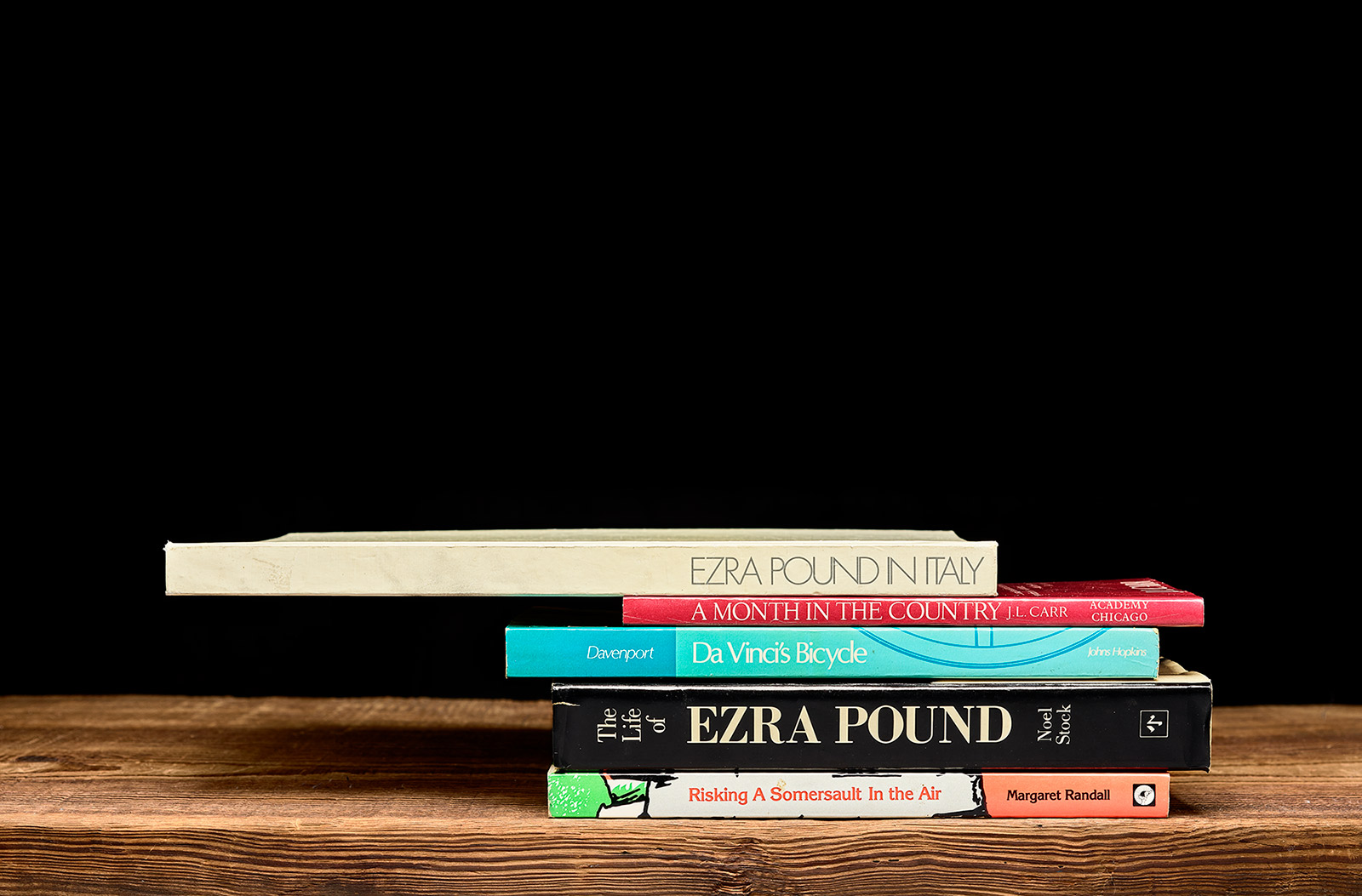
Ezra Pound in Italy, from the series Noguchi, 2021, from the project “Sorted Books,” 1993 and ongoing. Digital chromogenic prints, 12.5 × 19 inches.
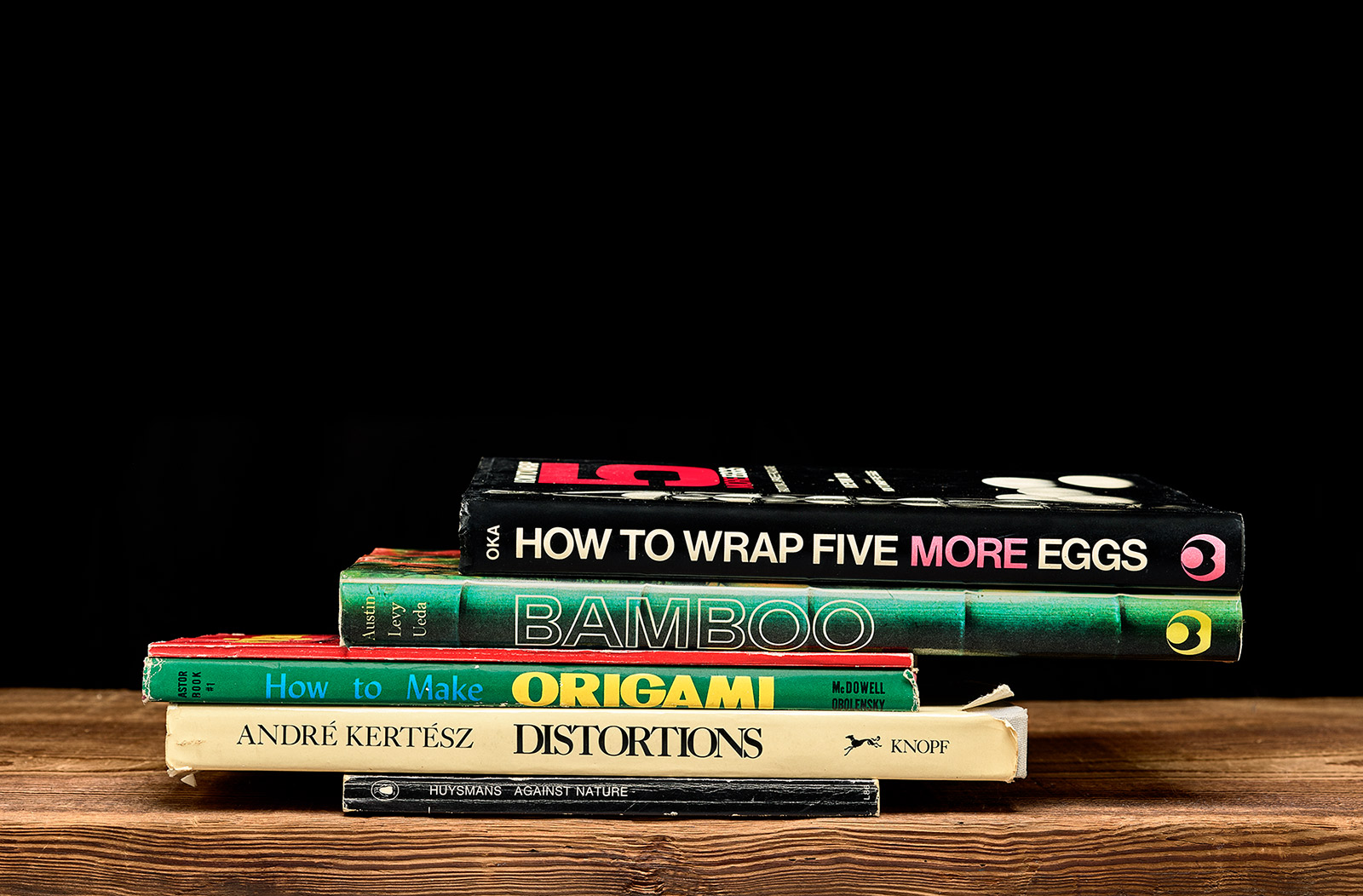
How To Wrap Five More Eggs, from the series Noguchi, 2021, from the project “Sorted Books,” 1993 and ongoing. Digital chromogenic prints, 12.5 × 19 inches.
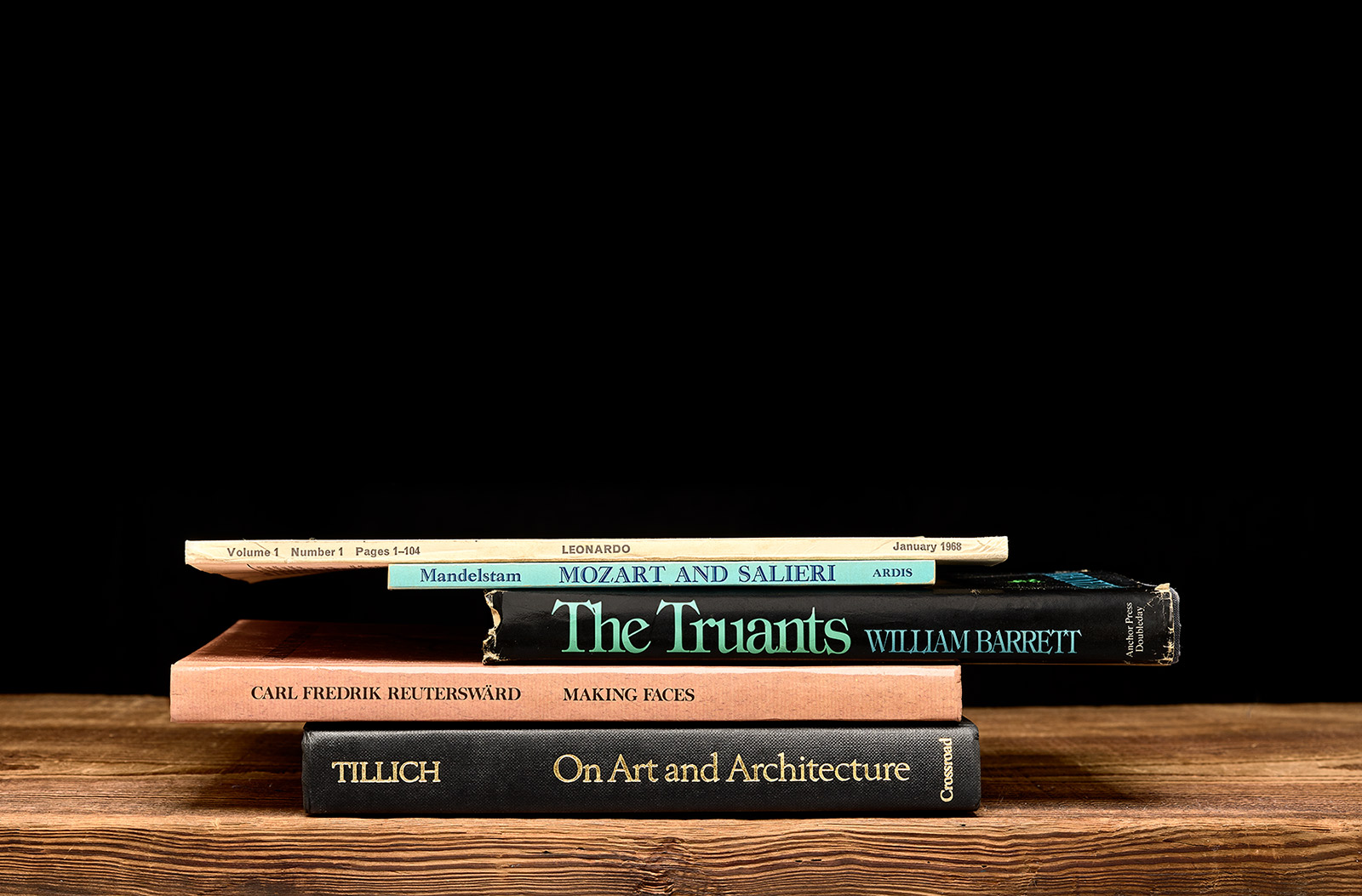
Leonardo, from the series Noguchi, 2021, from the project “Sorted Books,” 1993 and ongoing. Digital chromogenic prints, 12.5 × 19 inches.
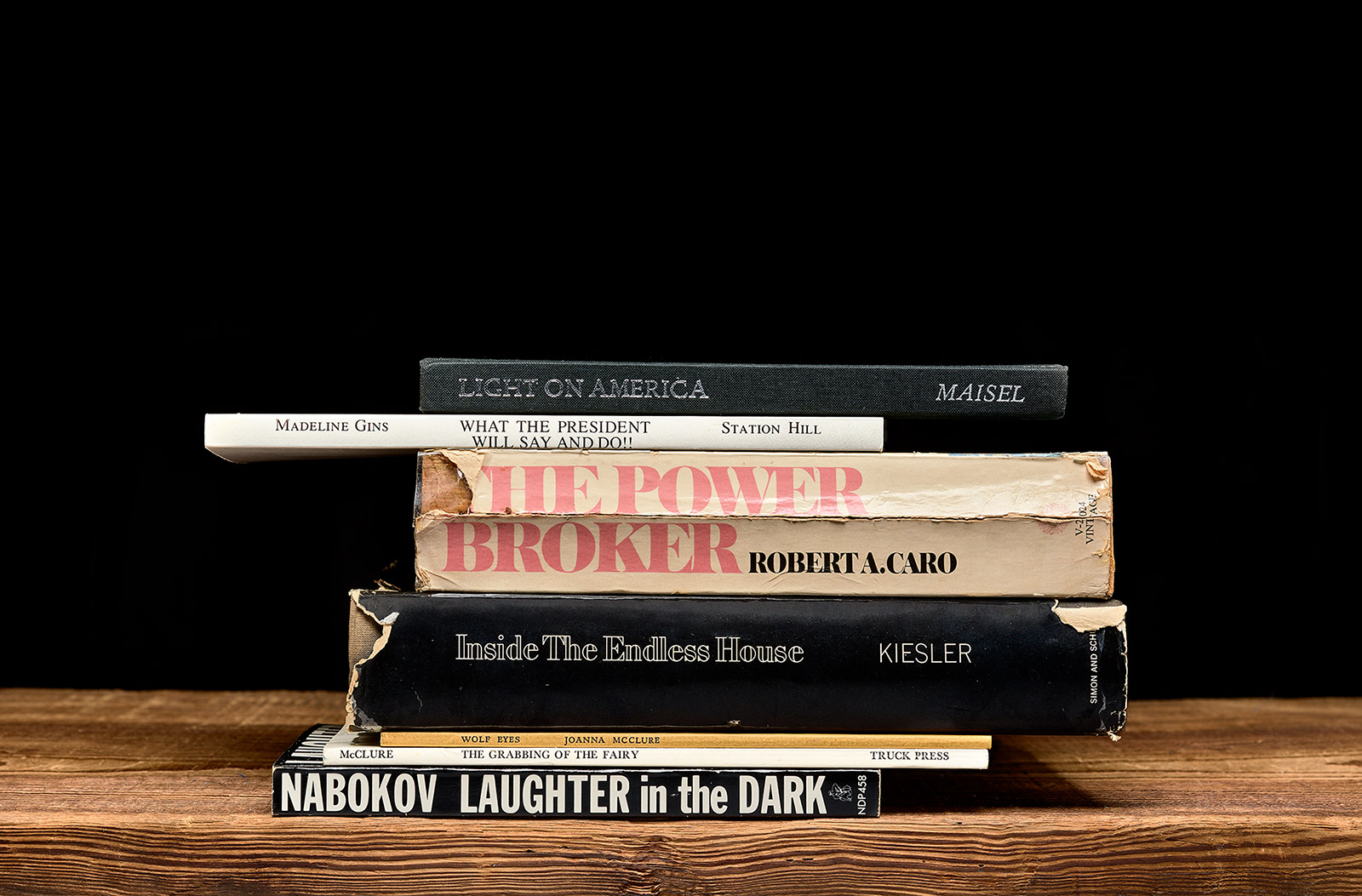
Light On America, from the series Noguchi, 2021, from the project “Sorted Books,” 1993 and ongoing. Digital chromogenic prints, 12.5 × 19 inches.
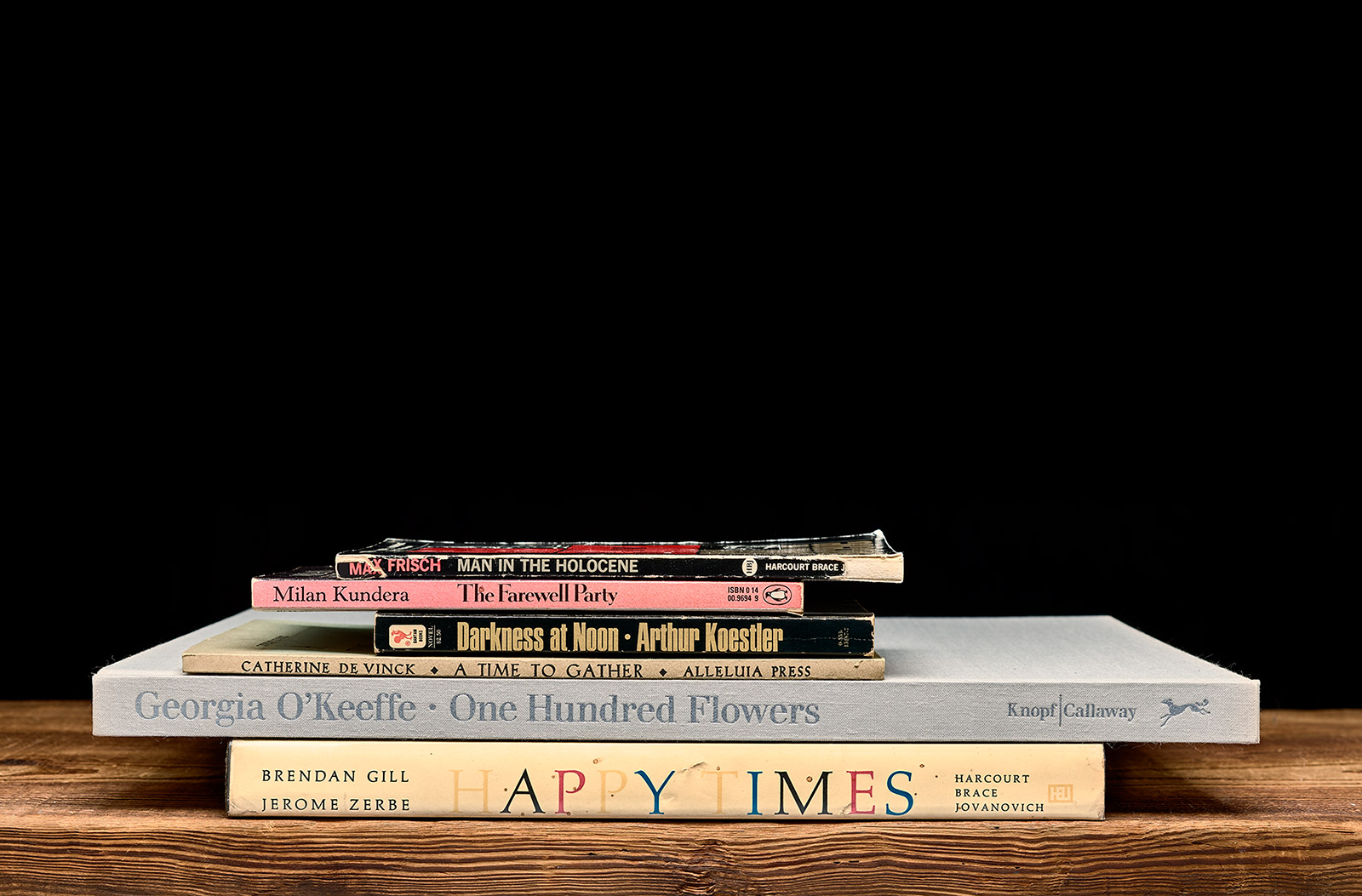
Man In The Holocene, from the series Noguchi, 2021, from the project “Sorted Books,” 1993 and ongoing. Digital chromogenic prints, 12.5 × 19 inches.
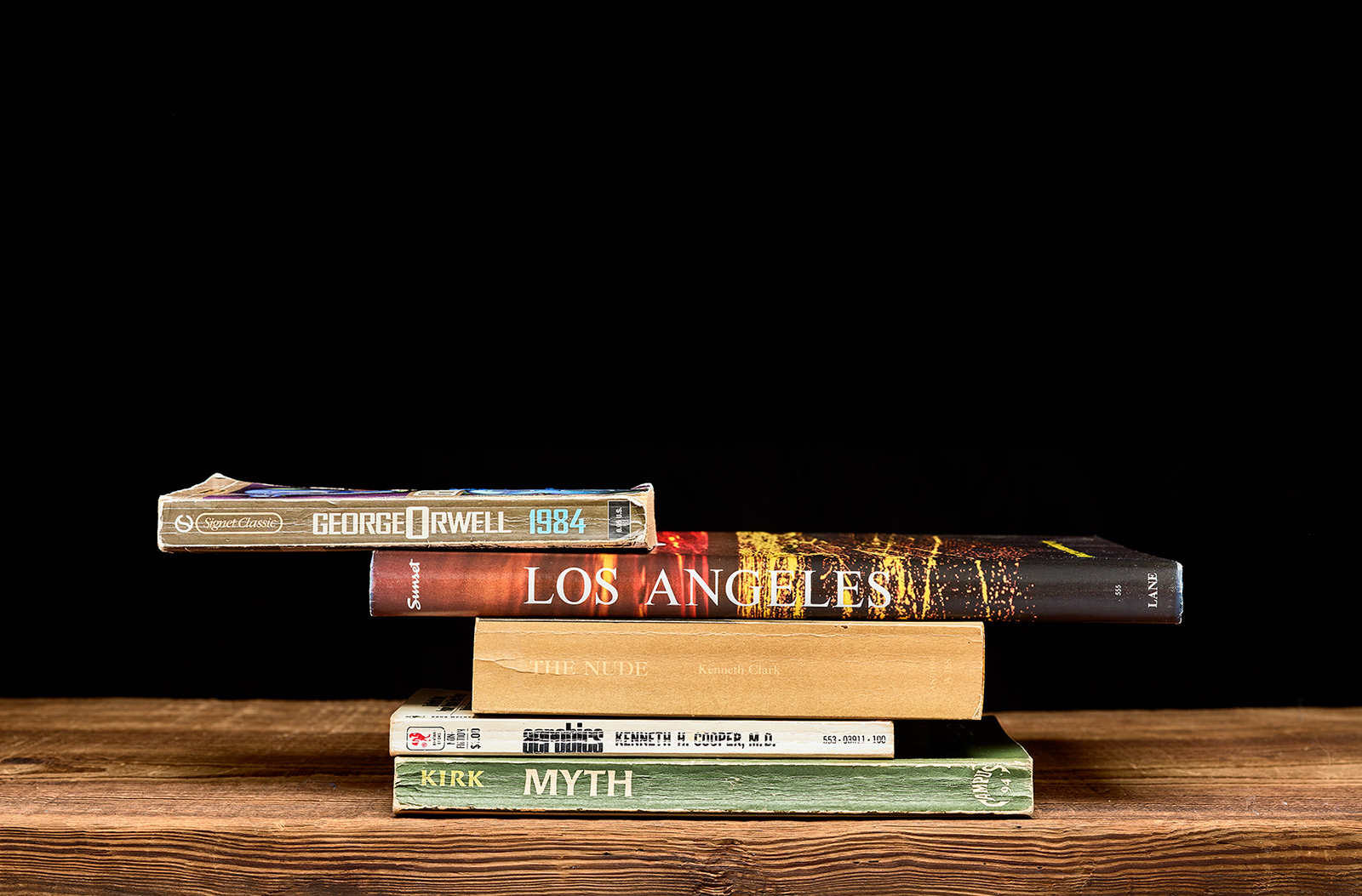
1984, from the series Noguchi, 2021, from the project “Sorted Books,” 1993 and ongoing. Digital chromogenic prints, 12.5 × 19 inches.
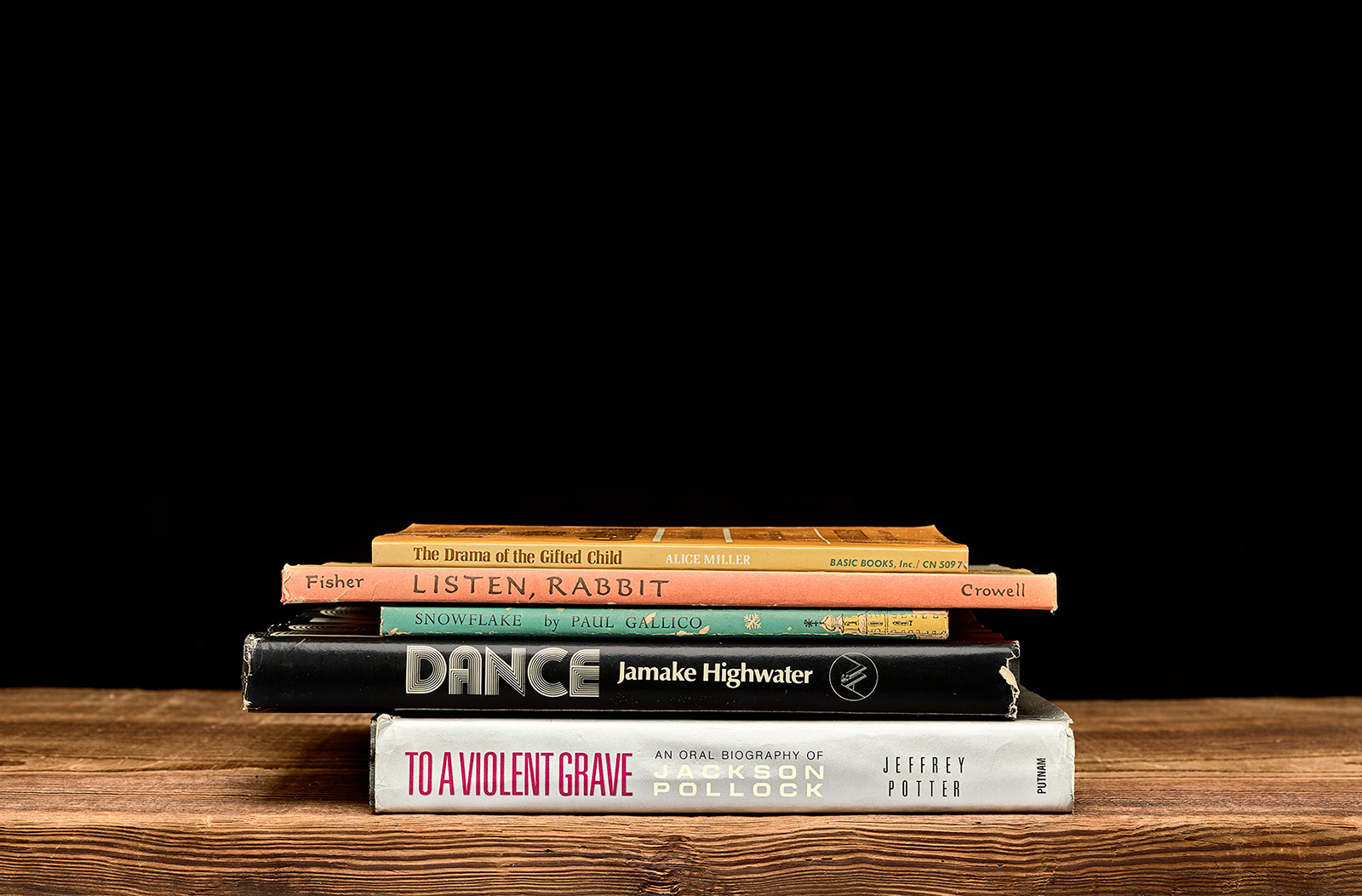
The Drama of the Gifted Child, from the series Noguchi, 2021, from the project “Sorted Books,” 1993 and ongoing. Digital chromogenic prints, 12.5 × 19 inches.
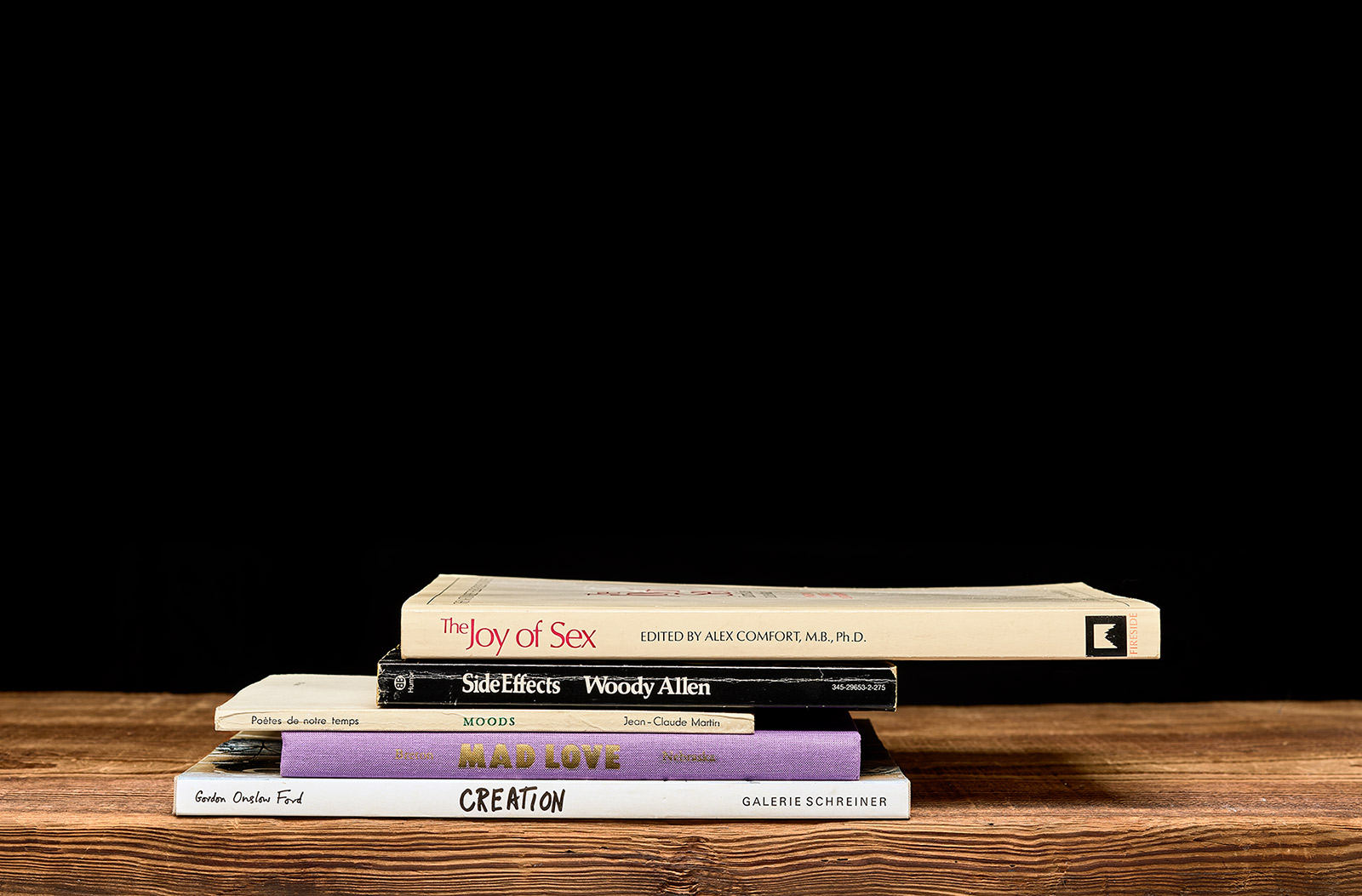
The Joy of Sex, from the series Noguchi, 2021, from the project “Sorted Books,” 1993 and ongoing. Digital chromogenic prints, 12.5 × 19 inches.
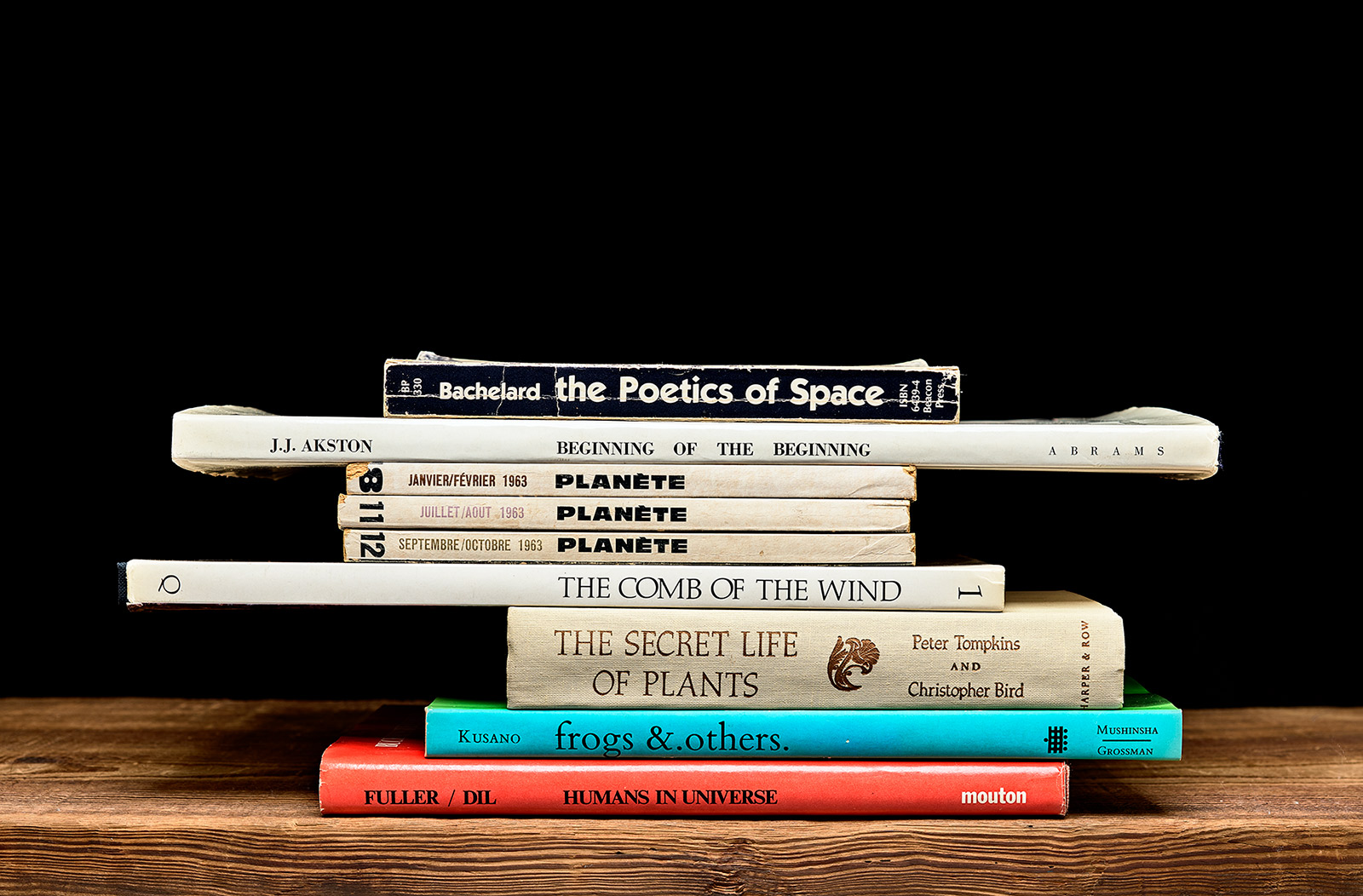
The Poetics of Space, from the series Noguchi, 2021, from the project “Sorted Books,” 1993 and ongoing. Digital chromogenic prints, 12.5 × 19 inches.
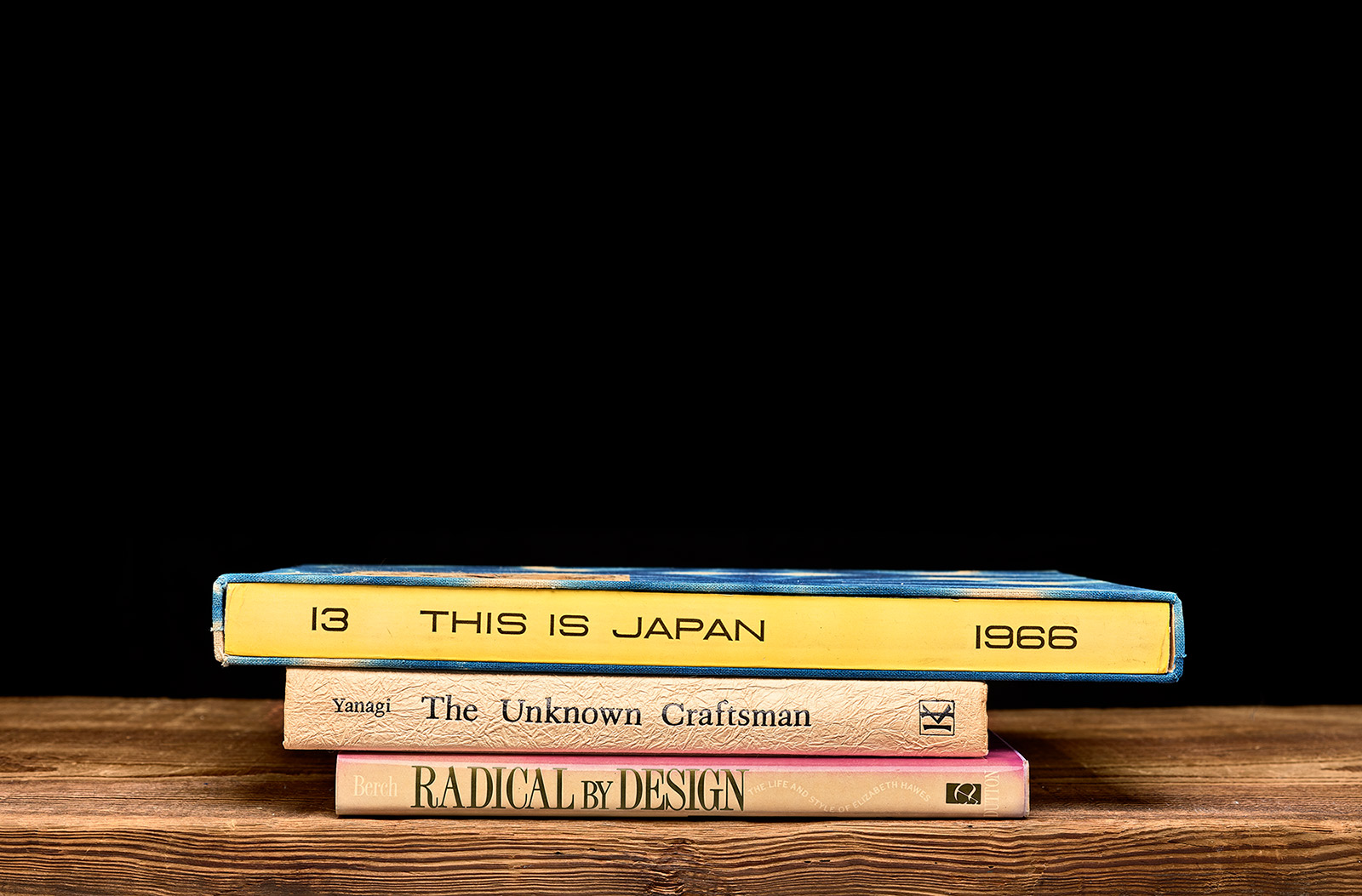
This Is Japan, from the series Noguchi, 2021, from the project “Sorted Books,” 1993 and ongoing. Digital chromogenic prints, 12.5 × 19 inches.
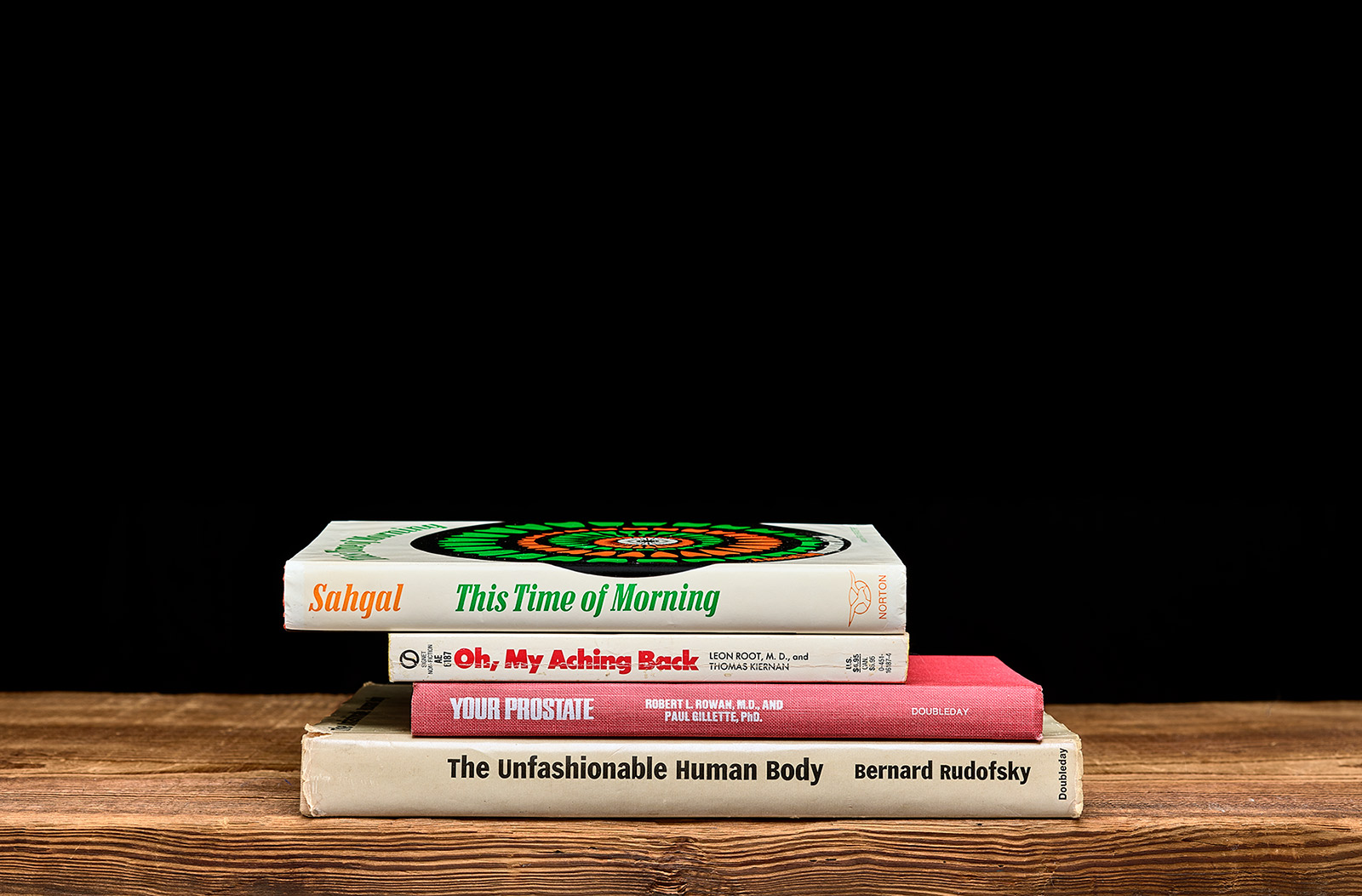
This Time of Morning, from the series Noguchi, 2021, from the project “Sorted Books,” 1993 and ongoing. Digital chromogenic prints, 12.5 × 19 inches.
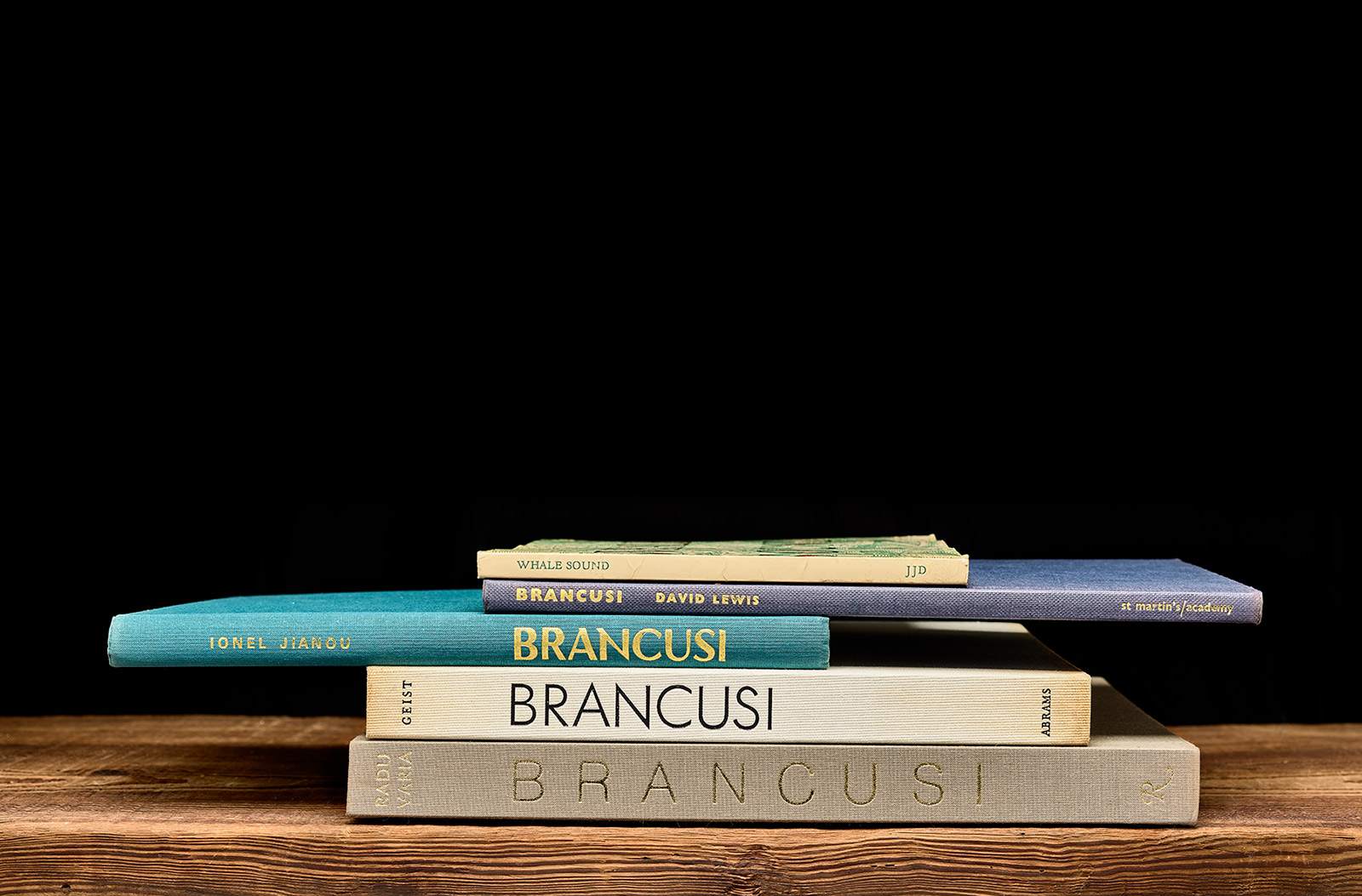
Whale Sound, from the series Noguchi, 2021, from the project “Sorted Books,” 1993 and ongoing. Digital chromogenic prints, 12.5 × 19 inches.
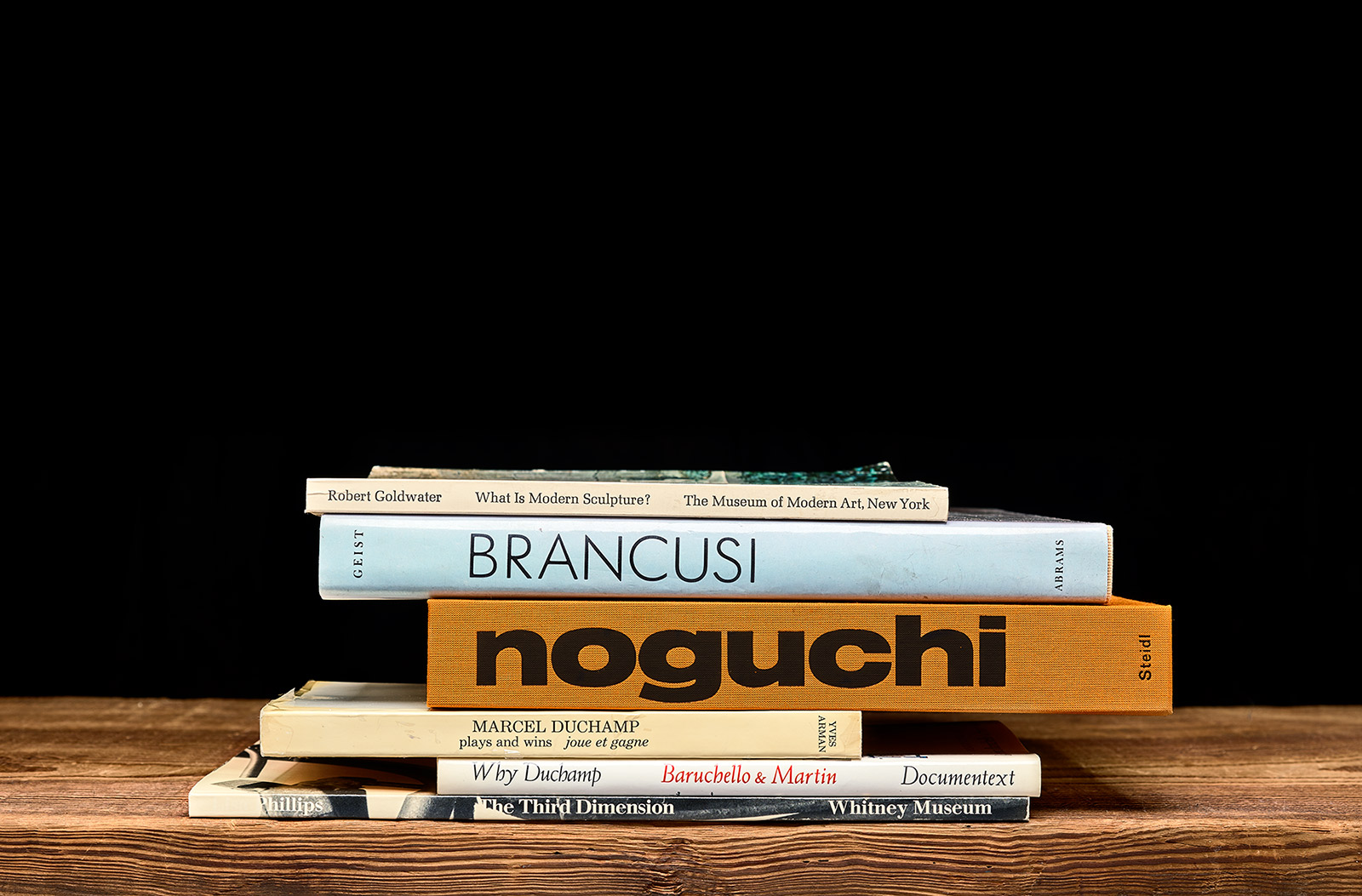
What is Modern Sculpture?, from the series Noguchi, 2021, from the project “Sorted Books,” 1993 and ongoing. Digital chromogenic prints, 12.5 × 19 inches.
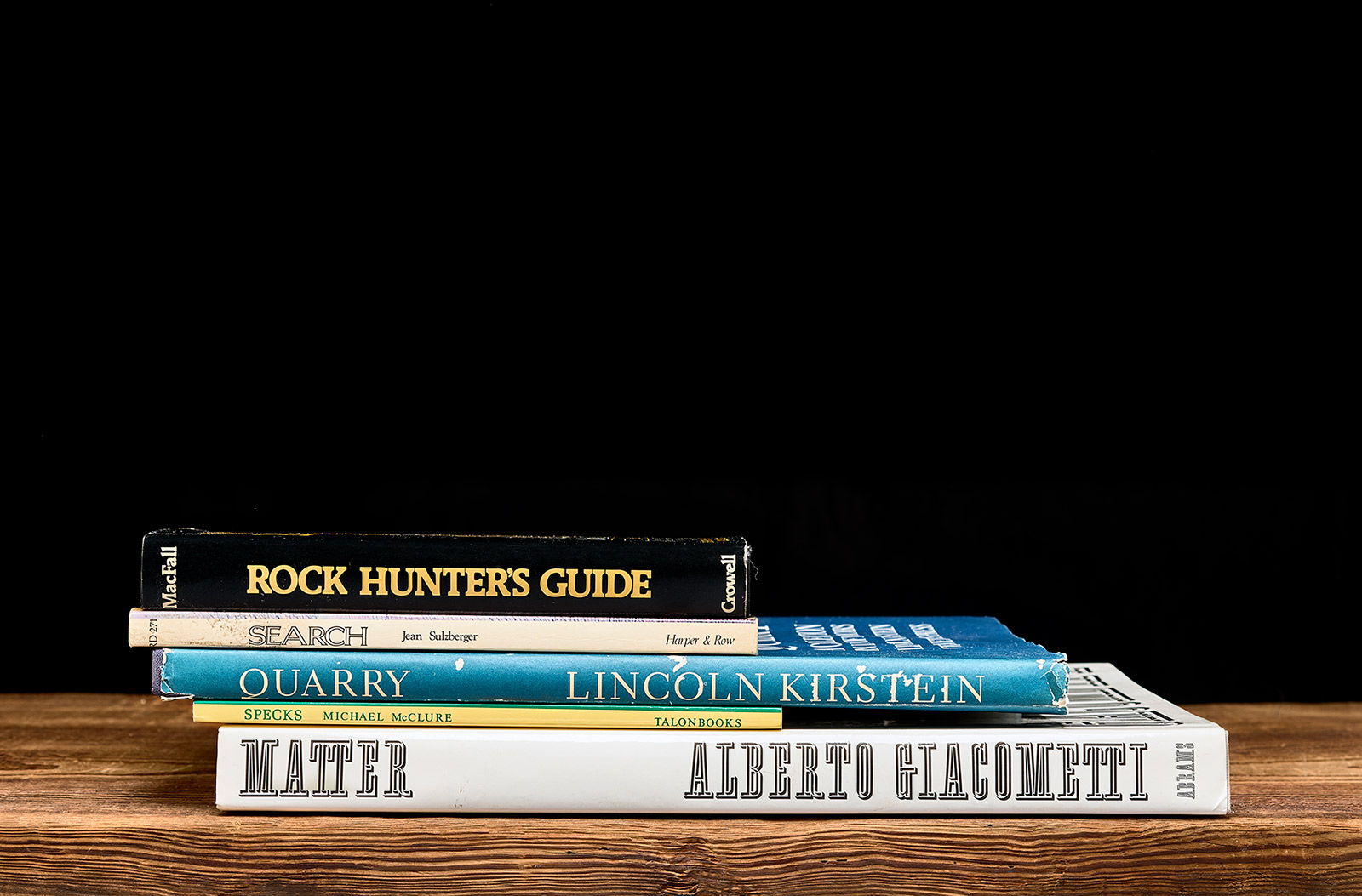
Rock Hunter's Guide, from the series Noguchi, 2021, from the project “Sorted Books,” 1993 and ongoing. Digital chromogenic prints, 12.5 × 19 inches.