Sorted Books: Family Gathering
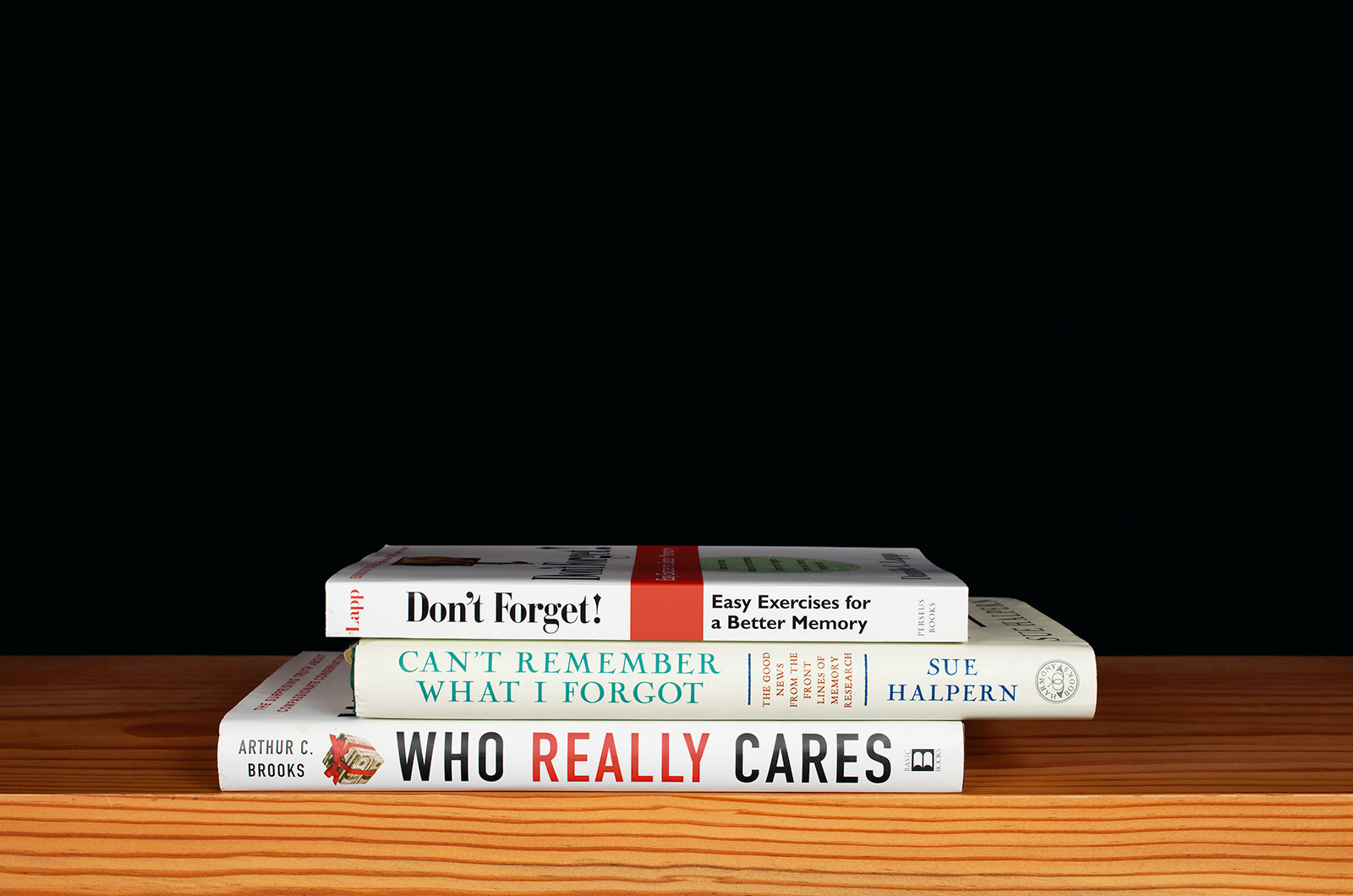
Don’t Forget!, from the series Family Gathering, 2013, from the project “Sorted Books,” 1993 and ongoing. Digital chromogenic prints, 12.5 × 19 inches.
“Sorted Books” is my longest ongoing project. It began in 1993 and has taken place on many different sites over the years, including in the private homes of friends, in rare book libraries, and in the archives of important literary figures. The process is the same in every case: I sort through a collection of books, make note of particular titles, and eventually group the books into clusters so that the titles can be read in sequence. The final results are most often shown as photographs of the book clusters, but on occasion, I exhibit the grouped books themselves. Taken as a whole, the clusters are a cross-section of that library's holdings that function as a kind of portrait.
I was invited to work with the books in a family home in Austin, TX in spring of 2013. Two adults and their three kids (aged 14, 17 and 20) lived in a large home with more books than perhaps any other family home I have been in. The parents’ bedside tables were piled high with books, with more books under the tables. There were books in the kitchen, the bathrooms and hallways. There was even a large book closet, the contents of which would have been enough for a book sorting project all of its own.
It took a long time to look at all the books in the house. I spent two days making an eighteen-page hand-written list, noting all potentially useful book titles, in advance of starting any book sorting at all. Moving through the house was like moving through zones of shifting subject matter and personalities. Two home offices had serious books on politics, history, health, care for aging parents, self-help, and a lot of contemporary fiction. In the very public areas of the house, often used when hosting, I found thick books about design and art history, and art catalogs often related to the art collection in the house. The cookbooks on the kitchen shelves lived in proximity to the books on the flora and fauna of Texas, with some occasional crossover; I was amused to find Texas Snakes near The New Texas Cuisine and decided to work with this happy accident.
I spent a great deal of time upstairs, in the kids’ rooms. The oldest boy had a lot of outdoor adventure literature, a genre I'm personally very fond of. The book spines in the teenage girl’s room were predominantly blue, pink, or pastel yellow with language that took a distinctly wordy, chatty, mildly provocative tone. My favorite shelves were the ones with hundreds of picture books that had been read to the kids back when they were very young. These books had tall, skinny spines and humorous or poignant titles that I often took out of context and merged with the adults’ books.
Spending many days in the house also attuned me to the pattern of this family’s daily life. Kids and adults came and went throughout the days while I was working, and my conversations with them also helped shape the compositions of the book clusters that resulted.
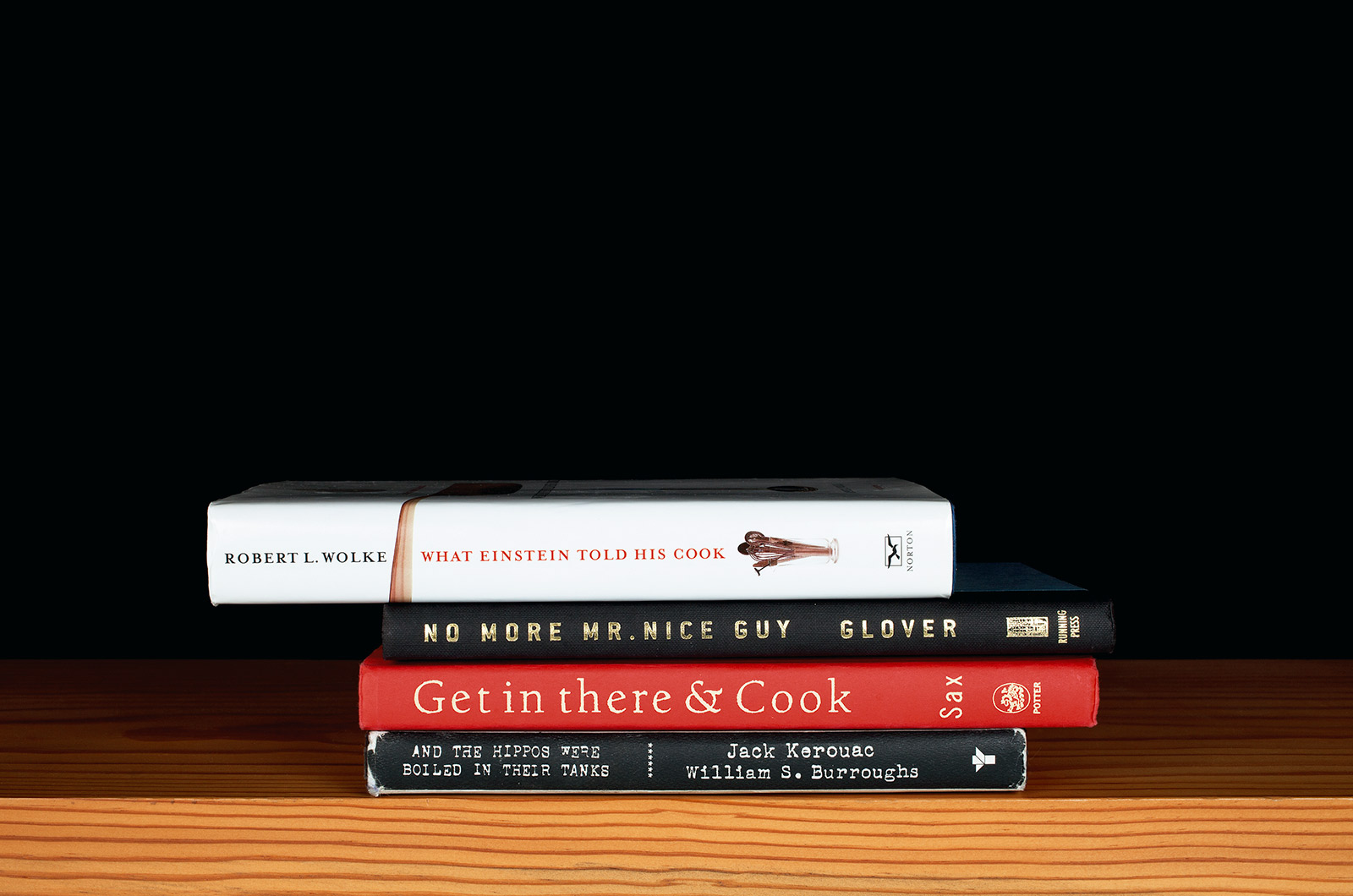
What Einstein Told His Cook, from the series Family Gathering, 2013, from the project “Sorted Books,” 1993 and ongoing. Digital chromogenic prints, 12.5 × 19 inches.
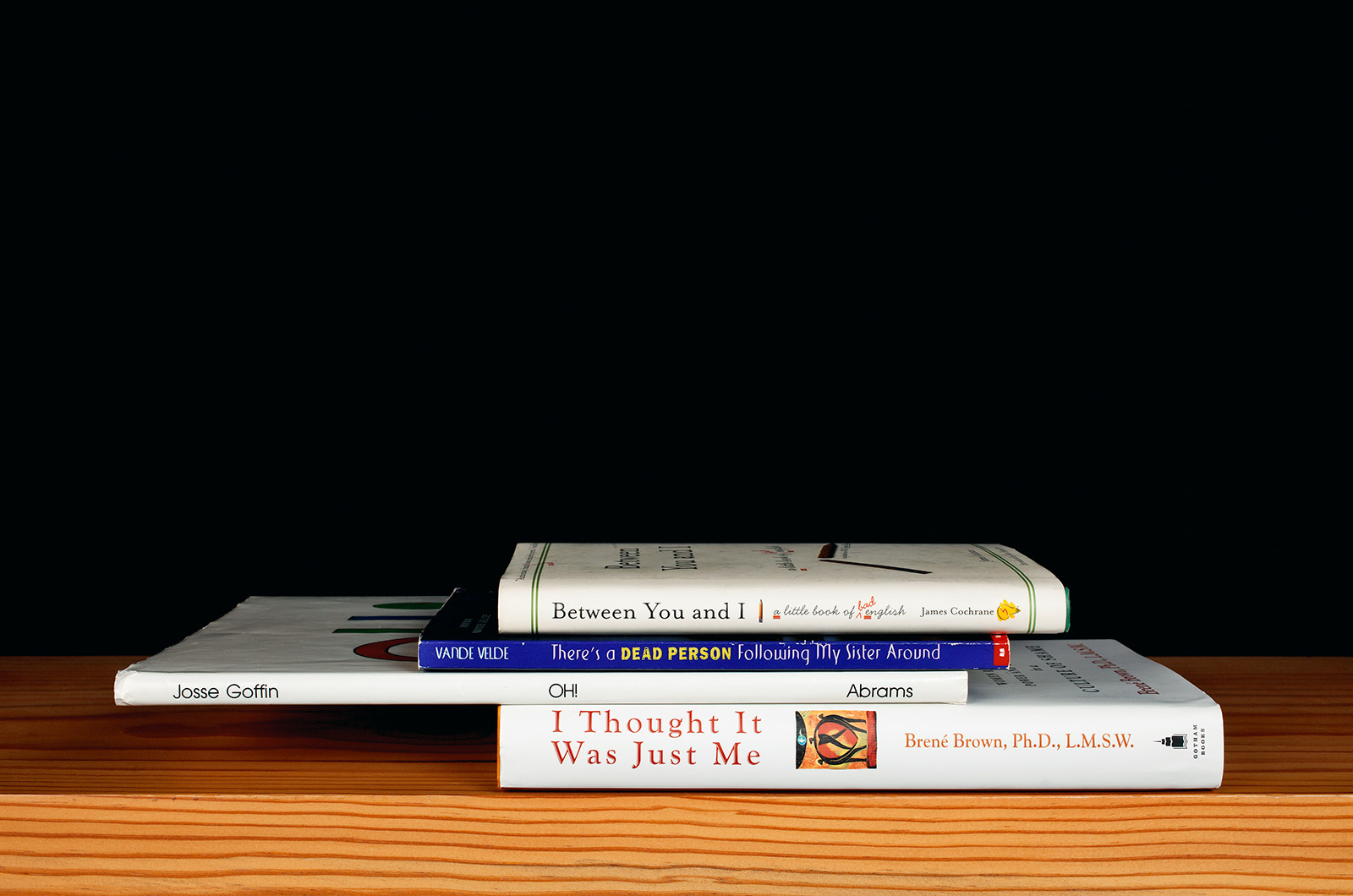
Between You and I, from the series Family Gathering, 2013, from the project “Sorted Books,” 1993 and ongoing. Digital chromogenic prints, 12.5 × 19 inches.

Your Medical Mind, from the series Family Gathering, 2013, from the project “Sorted Books,” 1993 and ongoing. Digital chromogenic prints, 12.5 × 19 inches.
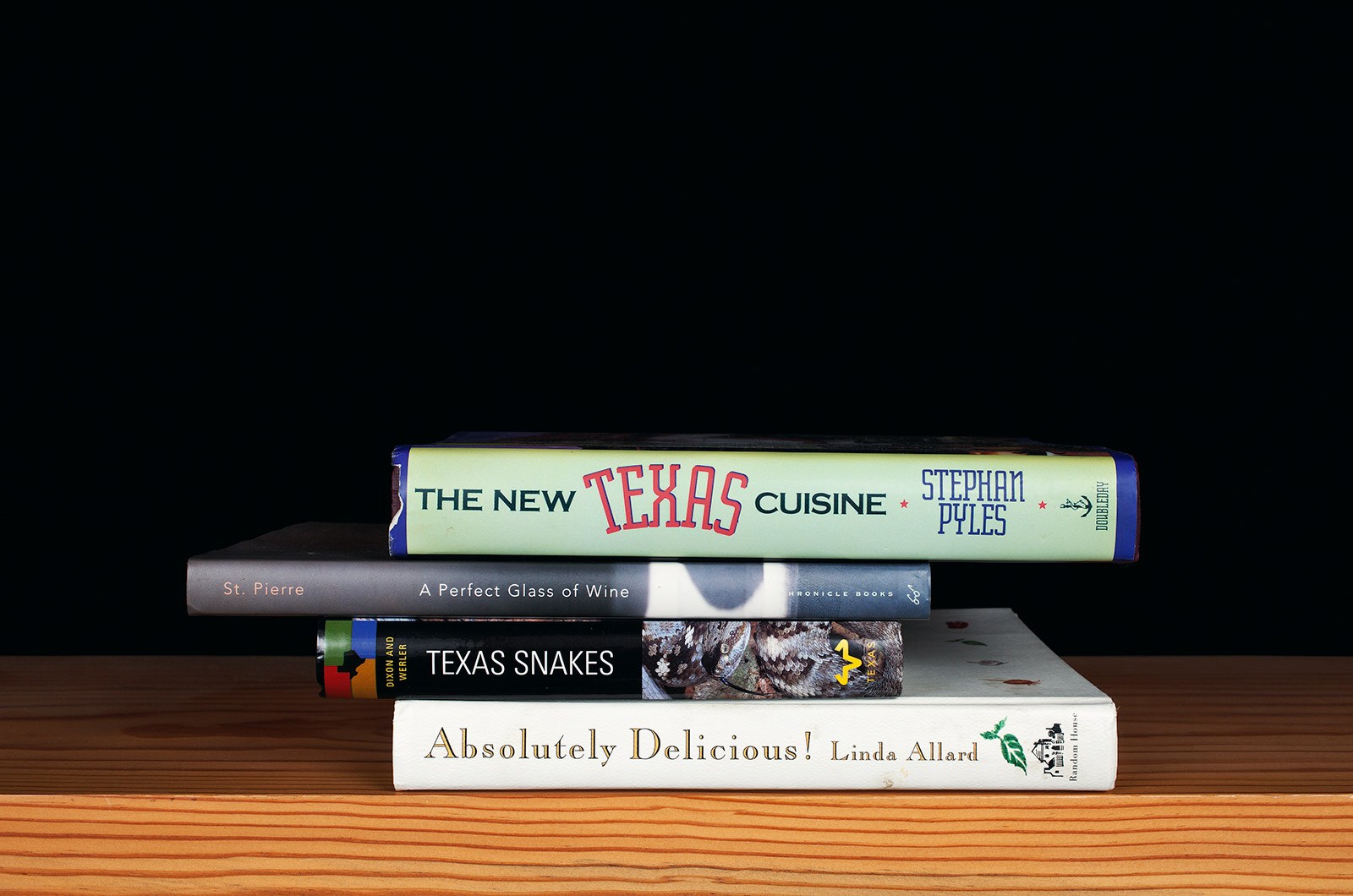
The New Texas Cuisine, from the series Family Gathering, 2013, from the project “Sorted Books,” 1993 and ongoing. Digital chromogenic prints, 12.5 × 19 inches.
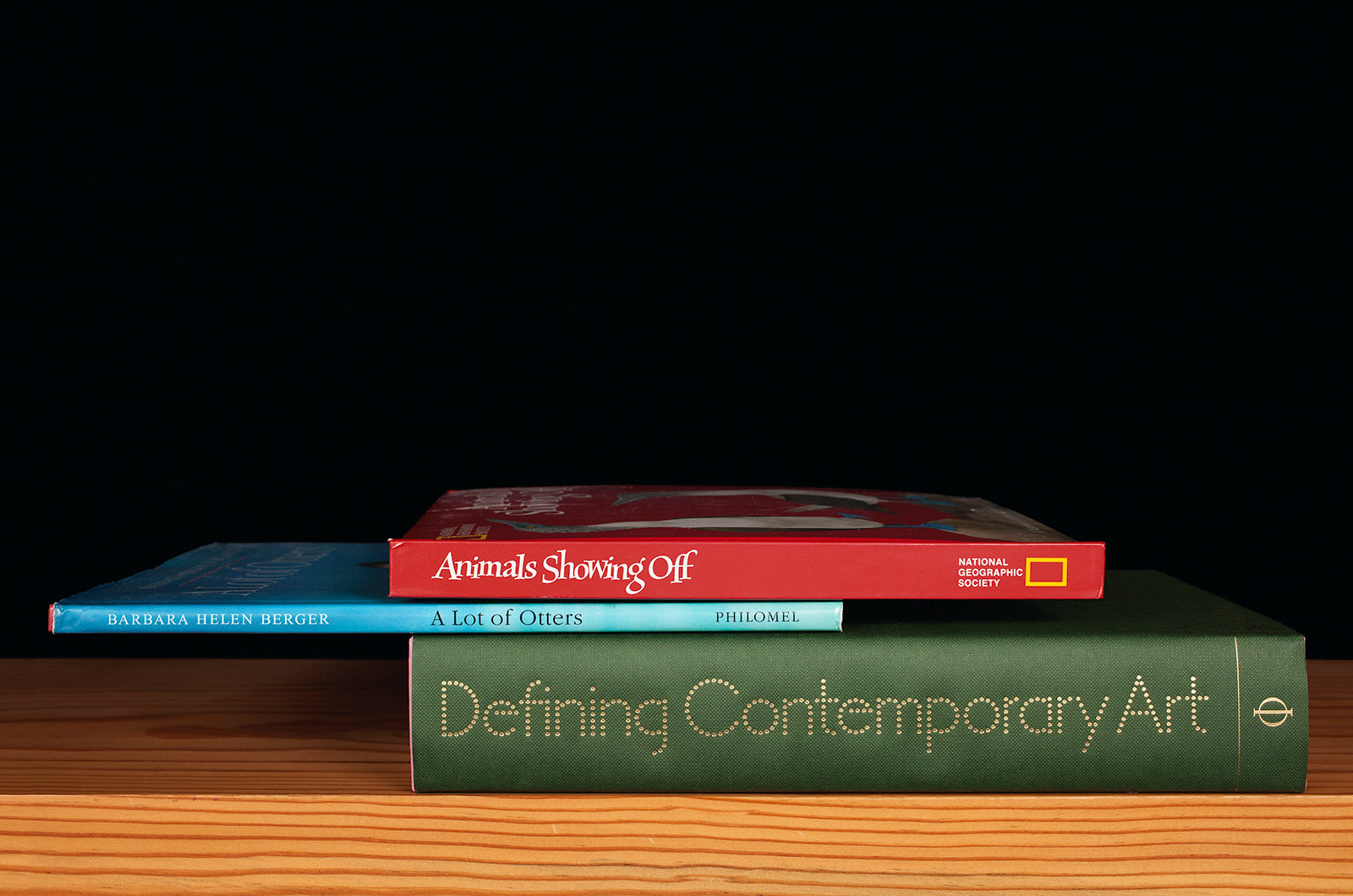
Animals Showing Off, from the series Family Gathering, 2013, from the project “Sorted Books,” 1993 and ongoing. Digital chromogenic prints, 12.5 × 19 inches.
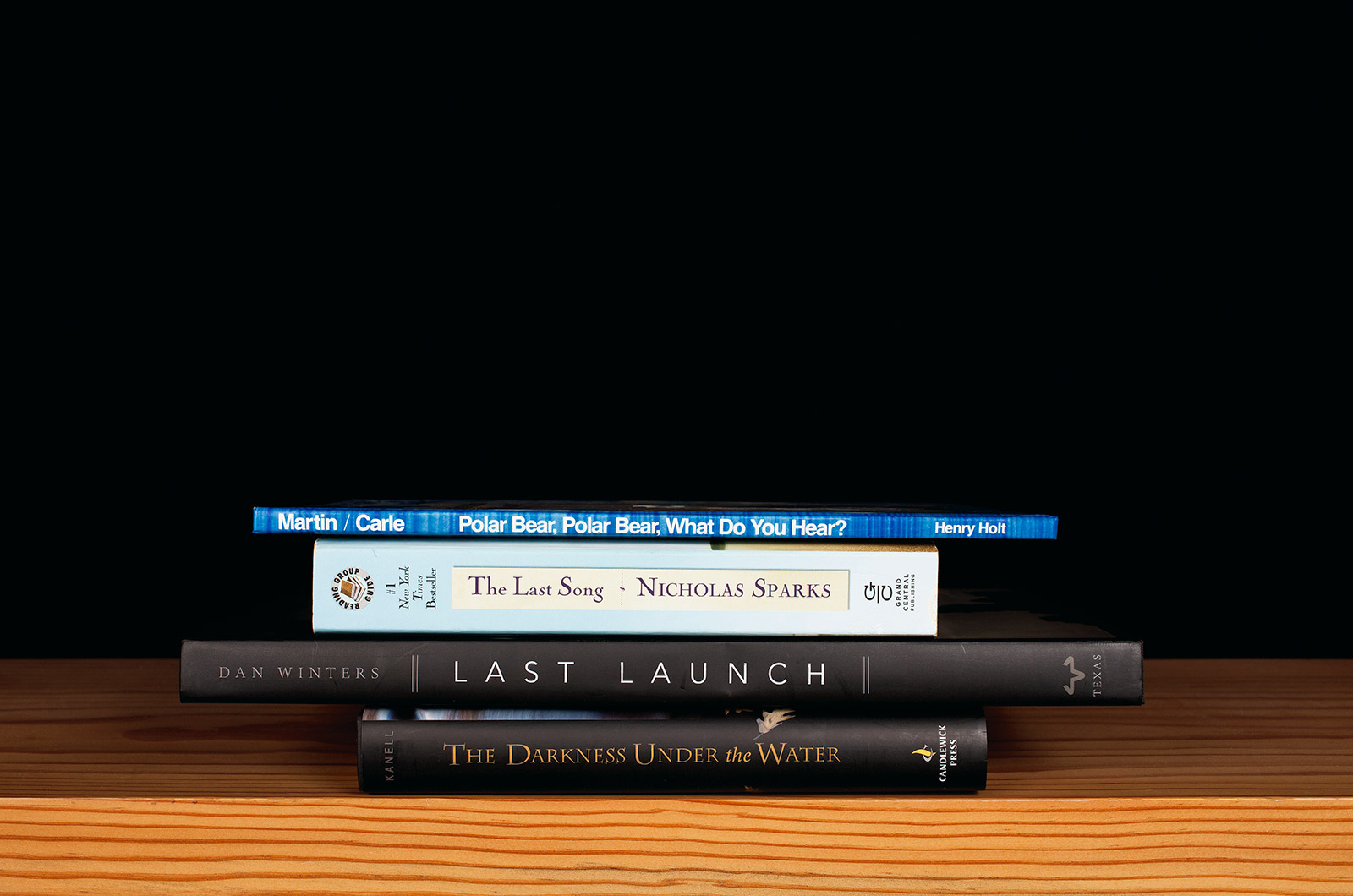
Polar Bear, Polar Bear, What Do You Hear?, from the series Family Gathering, 2013, from the project “Sorted Books,” 1993 and ongoing. Digital chromogenic prints, 12.5 × 19 inches.
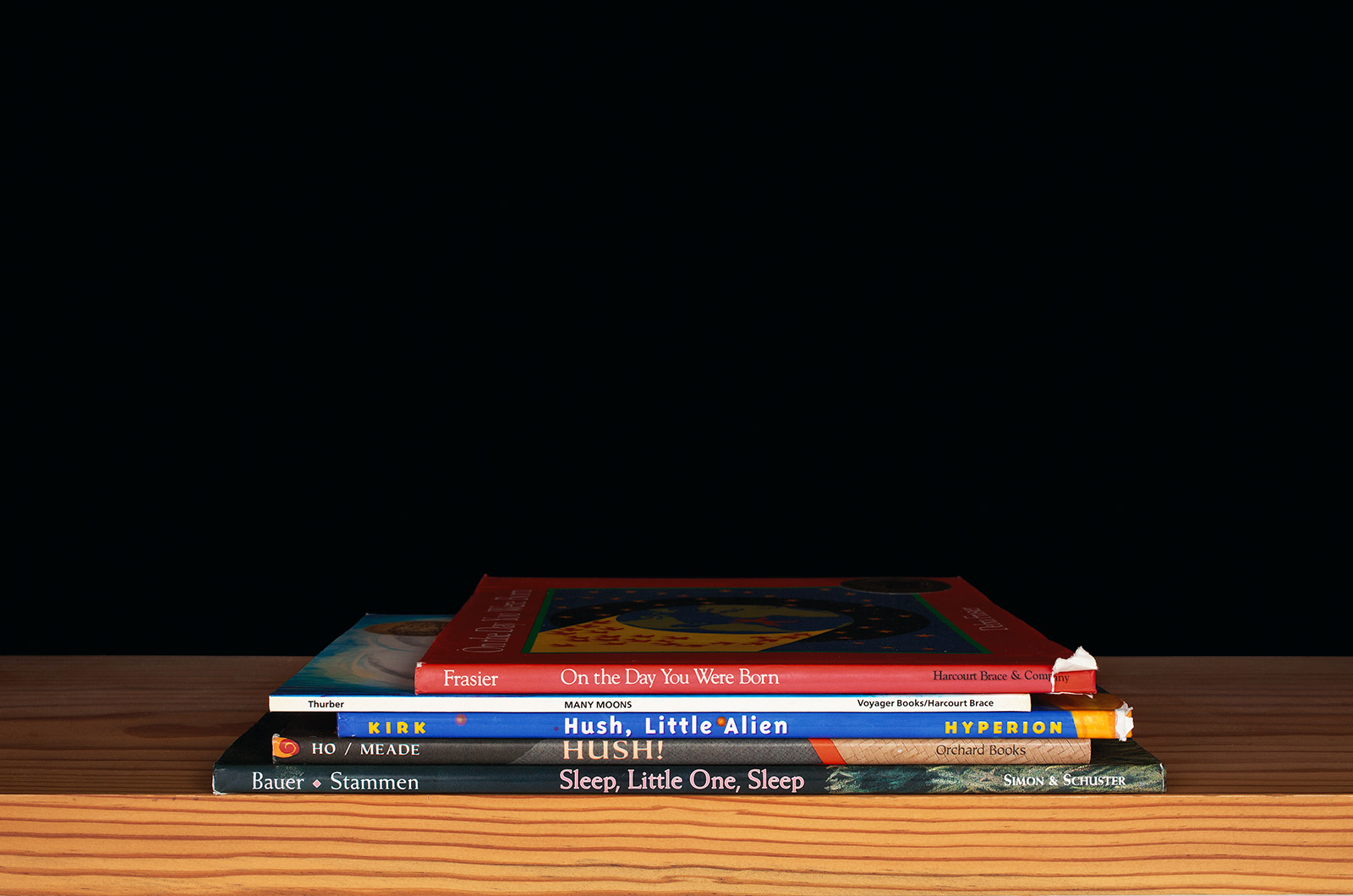
On the Day You Were Born, from the series Family Gathering, 2013, from the project “Sorted Books,” 1993 and ongoing. Digital chromogenic prints, 12.5 × 19 inches.
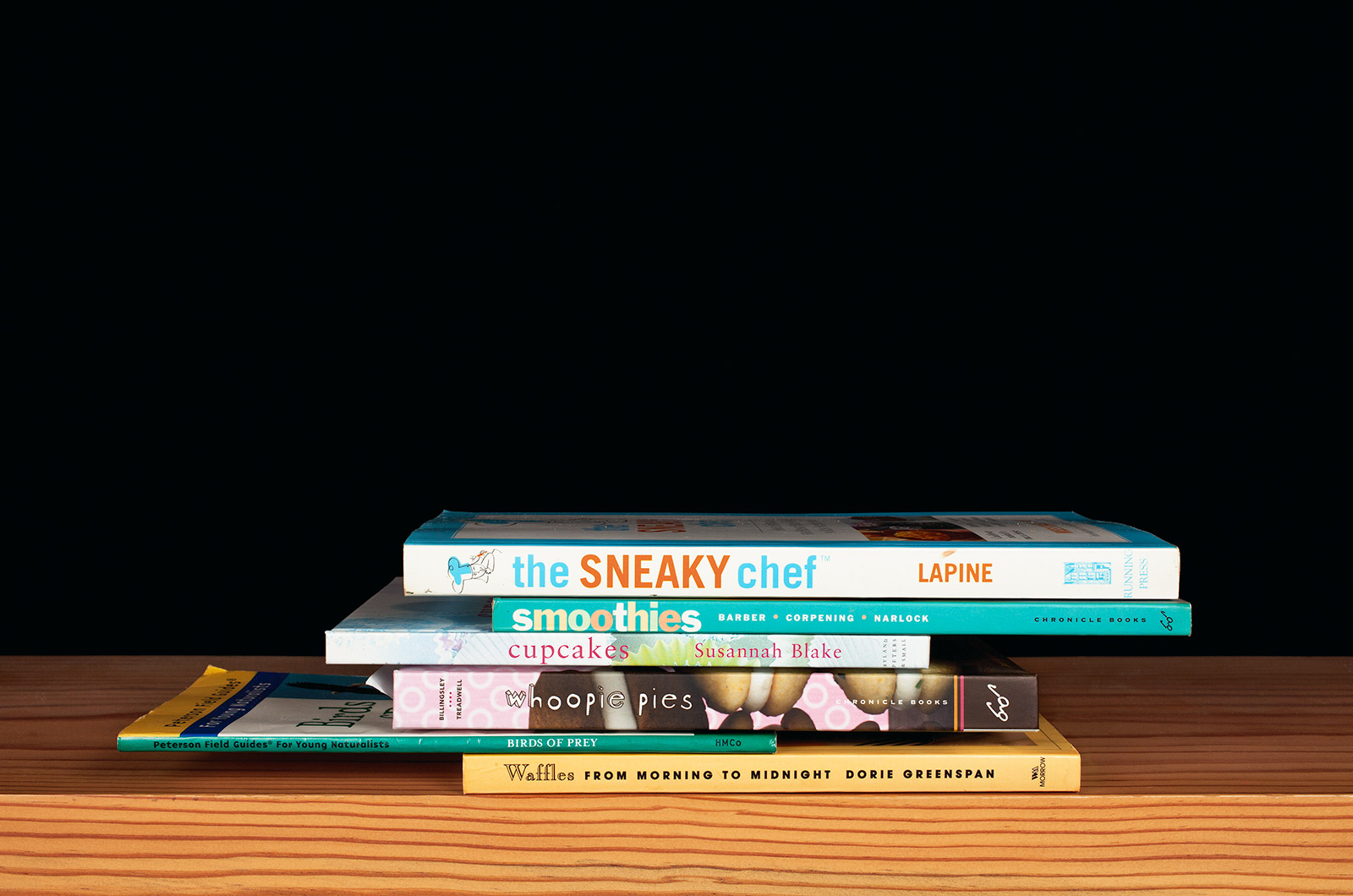
The Sneaky Chef, from the series Family Gathering, 2013, from the project “Sorted Books,” 1993 and ongoing. Digital chromogenic prints, 12.5 × 19 inches.
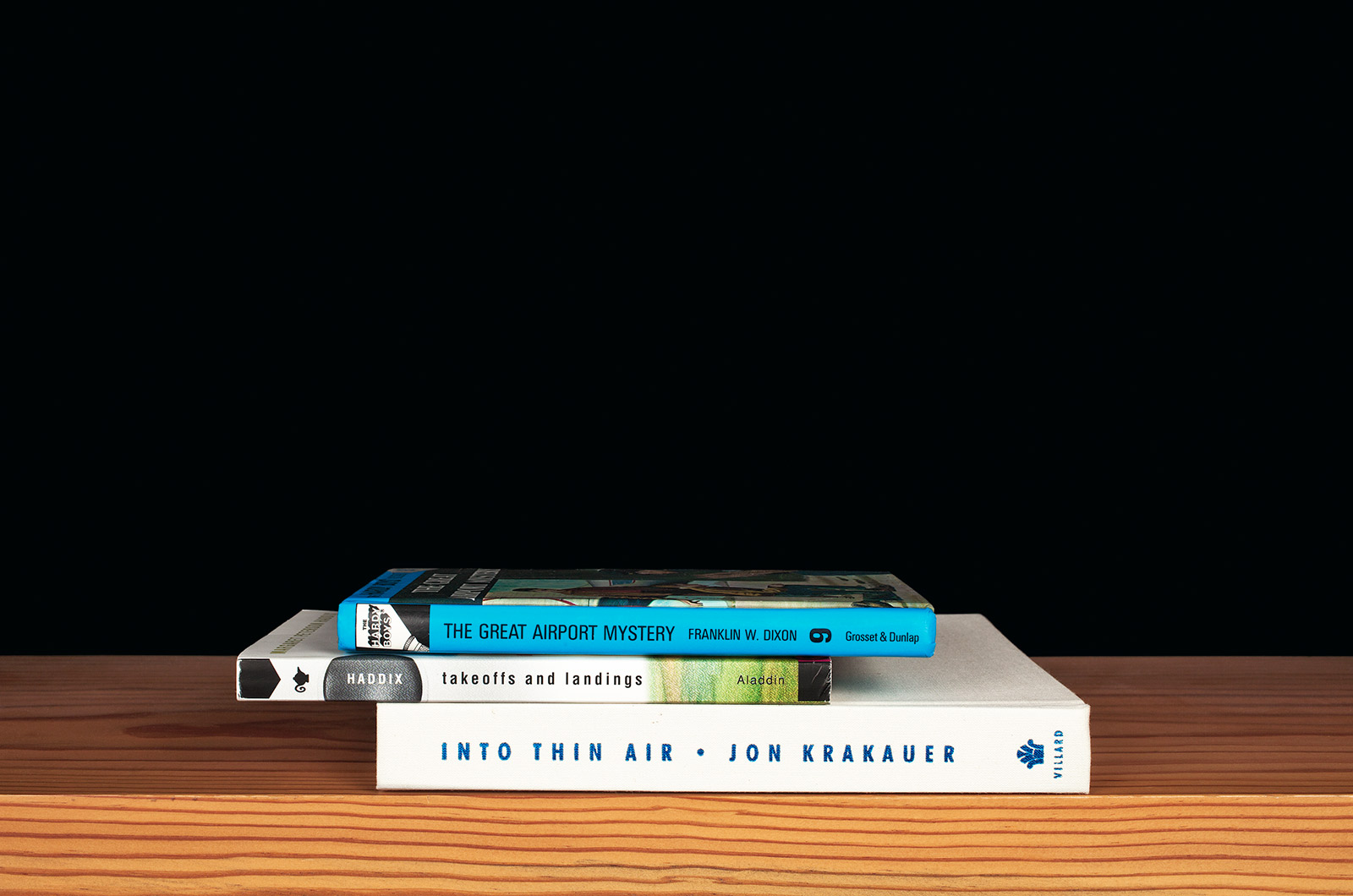
The Great Airport Mystery, from the series Family Gathering, 2013, from the project “Sorted Books,” 1993 and ongoing. Digital chromogenic prints, 12.5 × 19 inches.
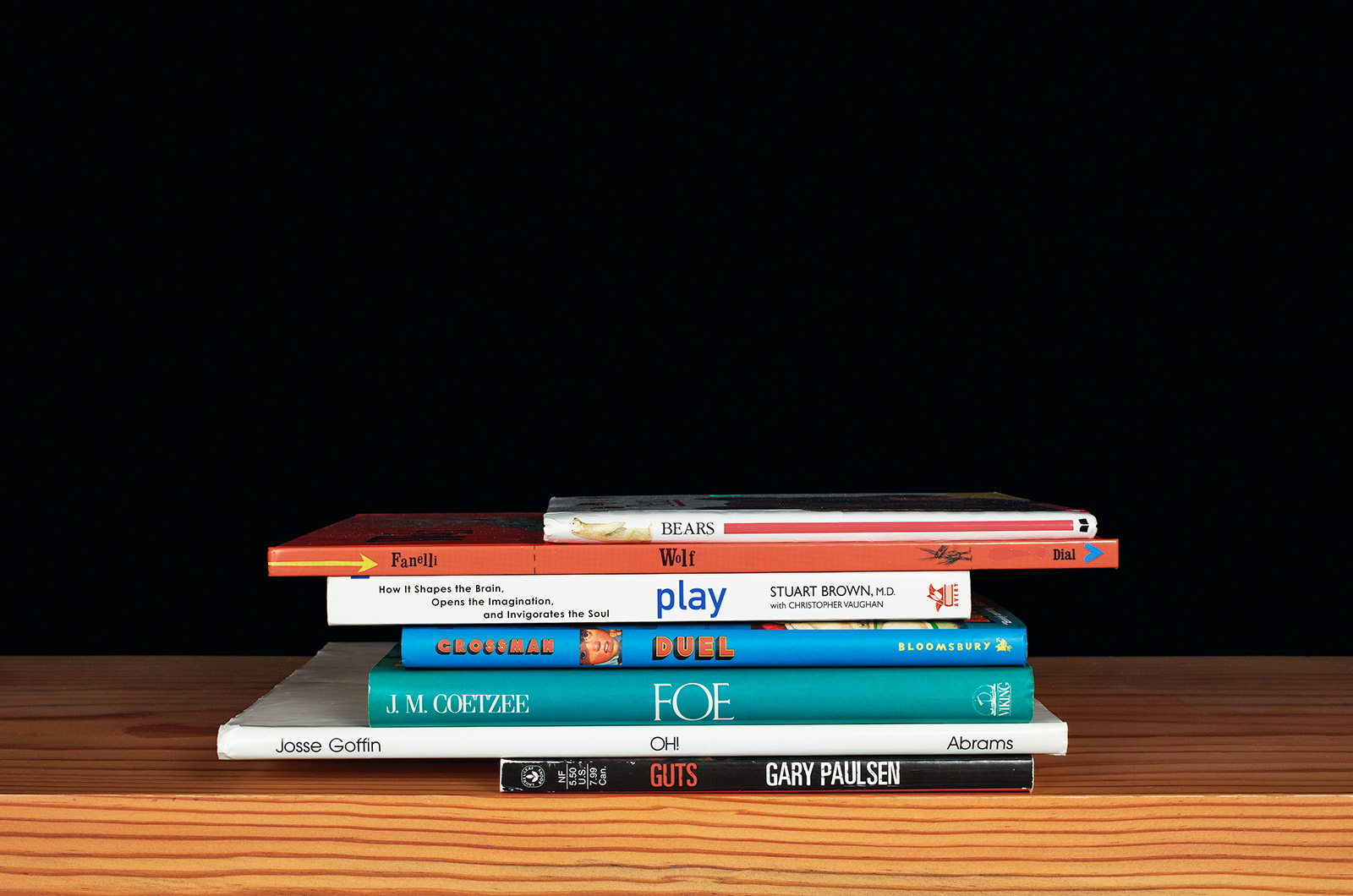
Bears, from the series Family Gathering, 2013, from the project “Sorted Books,” 1993 and ongoing. Digital chromogenic prints, 12.5 × 19 inches.
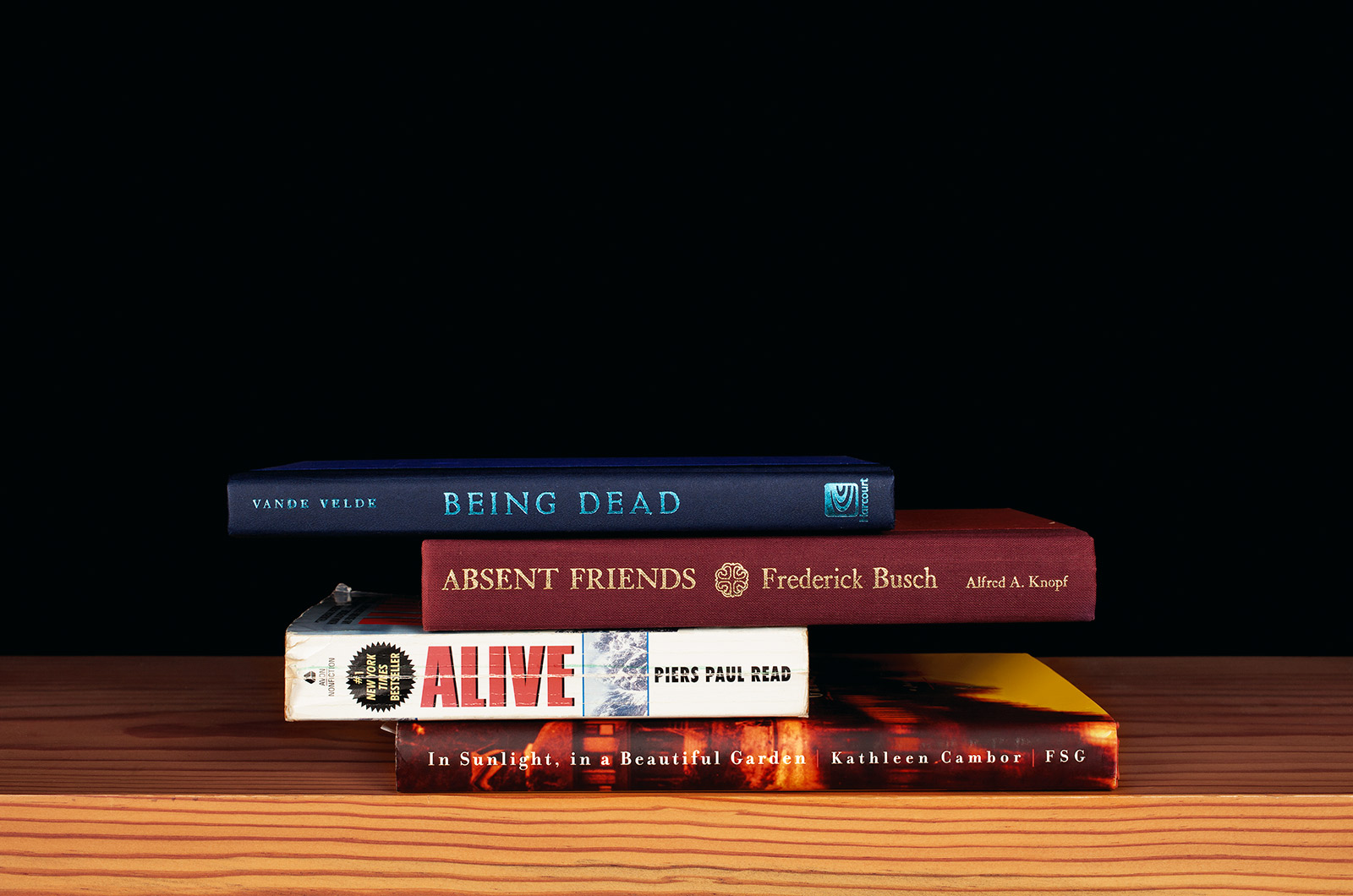
Being Dead, from the series Family Gathering, 2013, from the project “Sorted Books,” 1993 and ongoing. Digital chromogenic prints, 12.5 × 19 inches.
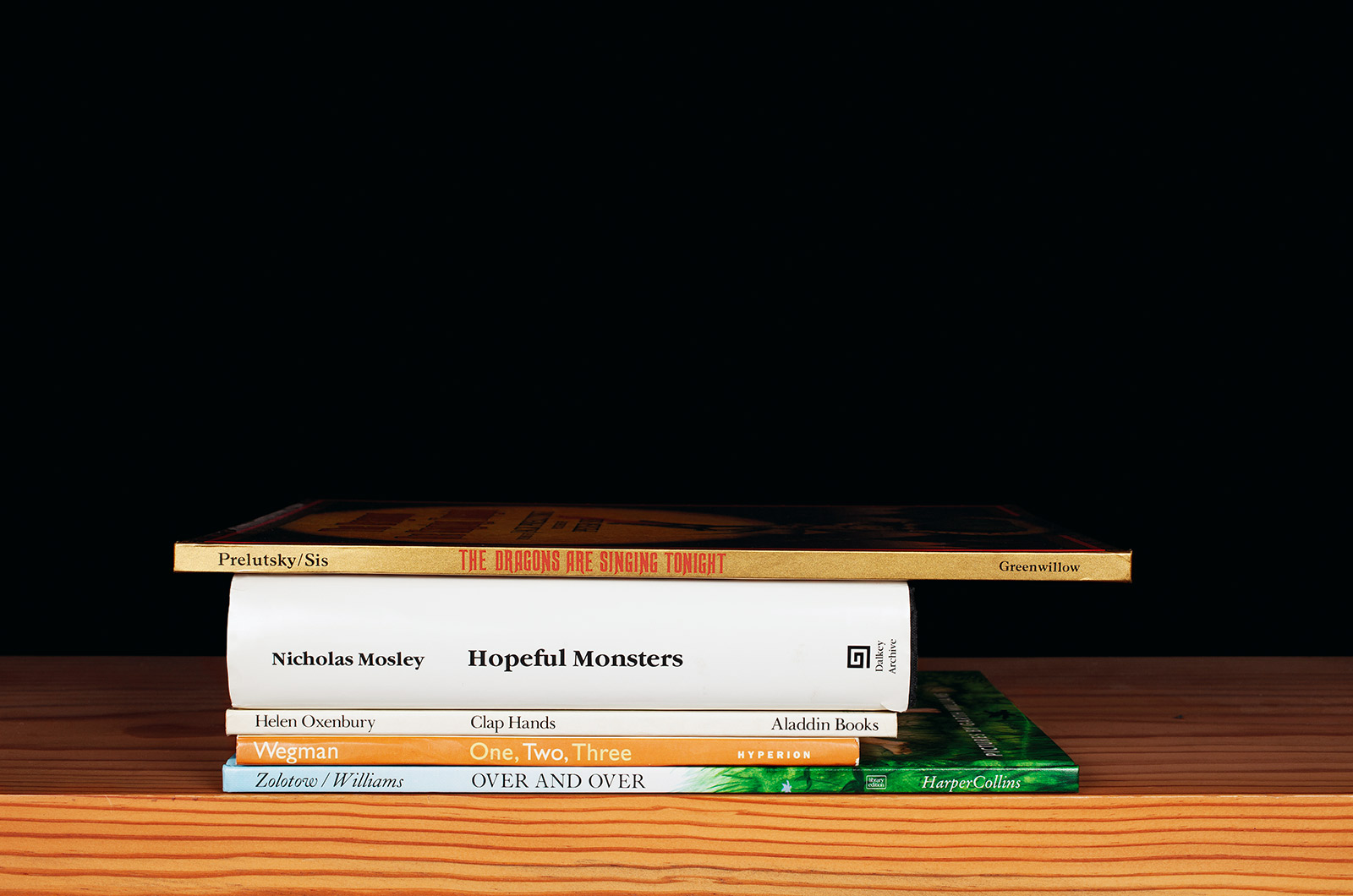
The Dragons Are Singing Tonight, from the series Family Gathering, 2013, from the project “Sorted Books,” 1993 and ongoing. Digital chromogenic prints, 12.5 × 19 inches.
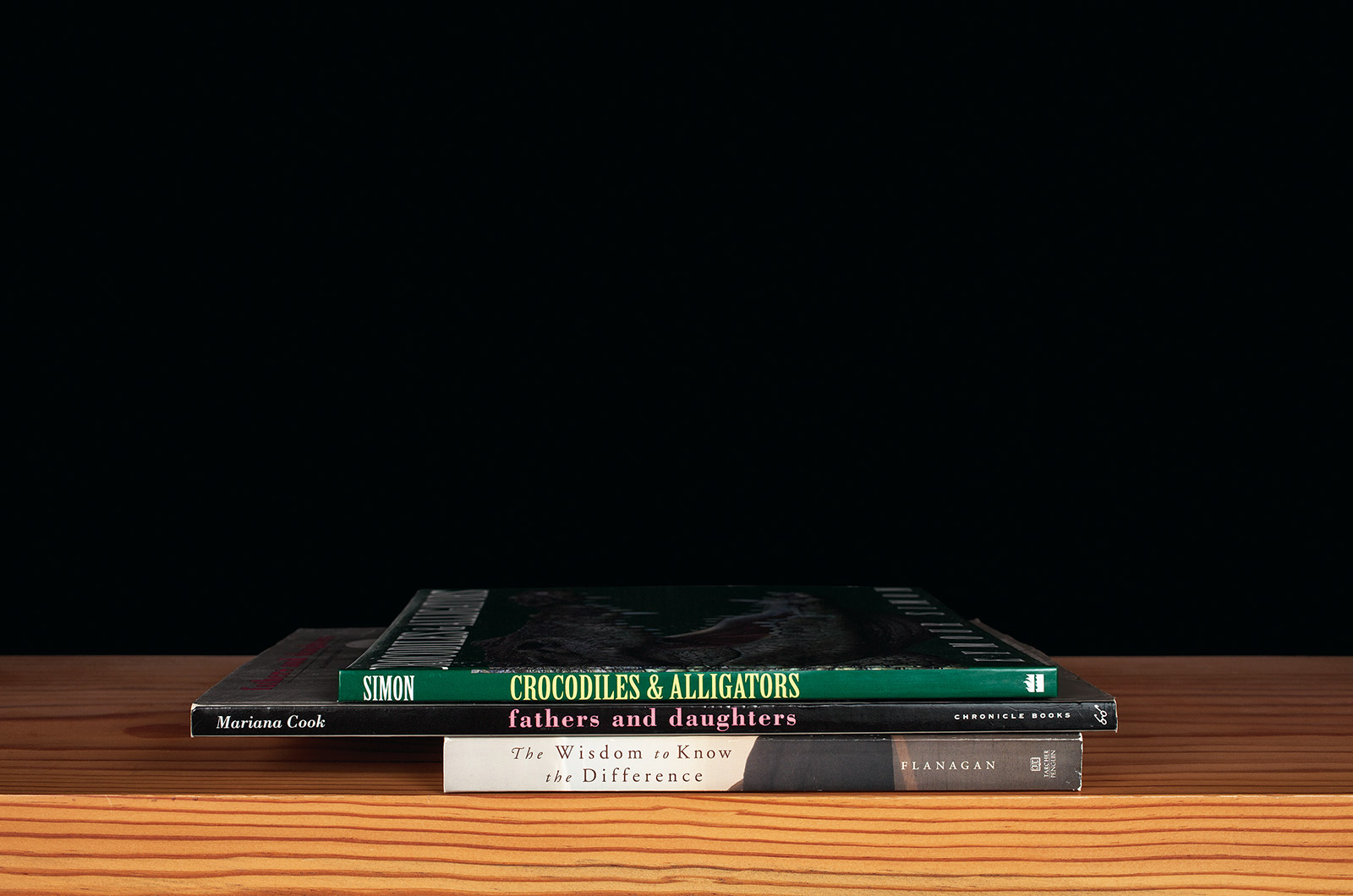
Crocodiles & Alligators, from the series Family Gathering, 2013, from the project “Sorted Books,” 1993 and ongoing. Digital chromogenic prints, 12.5 × 19 inches.
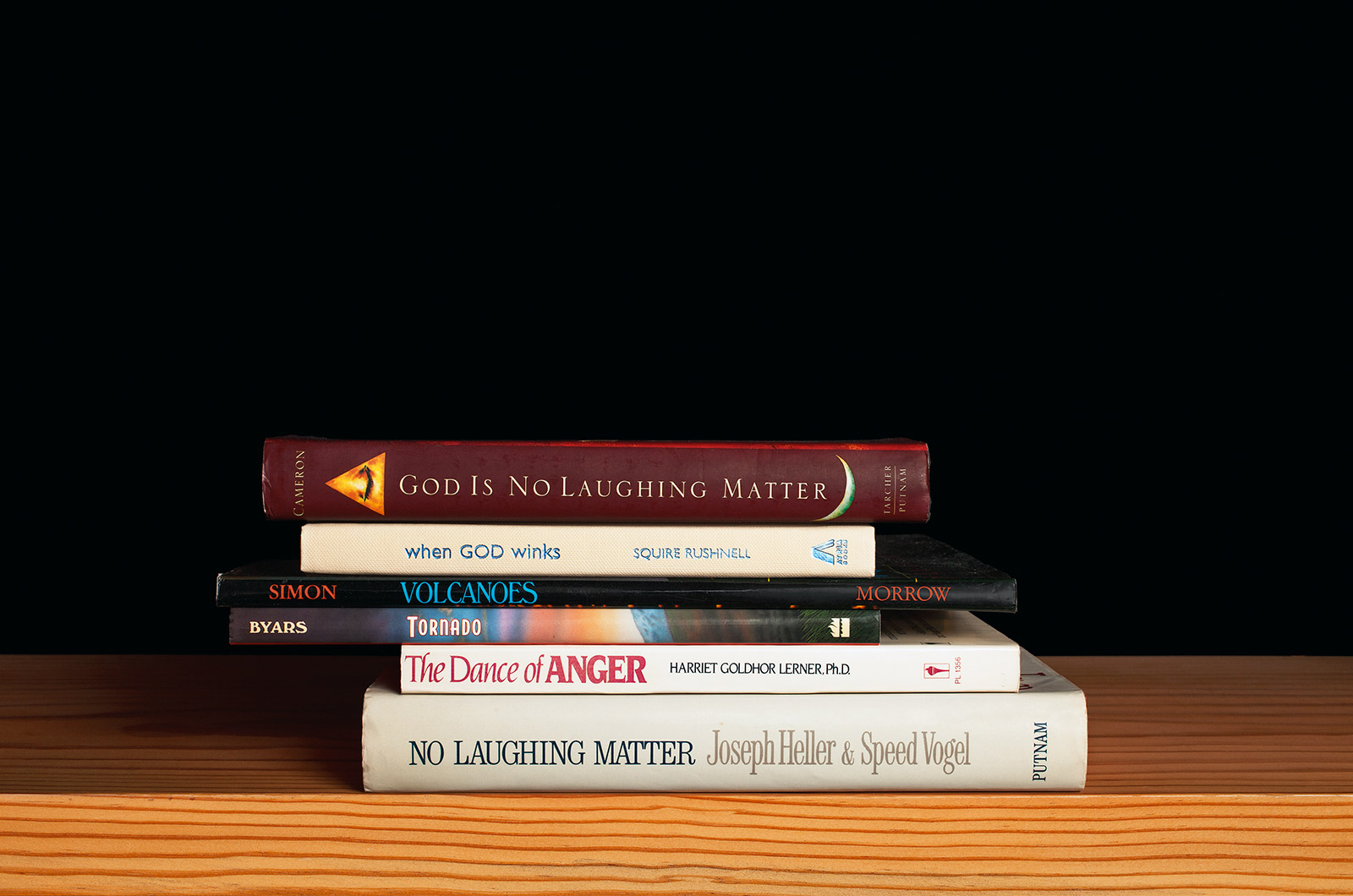
God Is No Laughing Matter, from the series Family Gathering, 2013, from the project “Sorted Books,” 1993 and ongoing. Digital chromogenic prints, 12.5 × 19 inches.
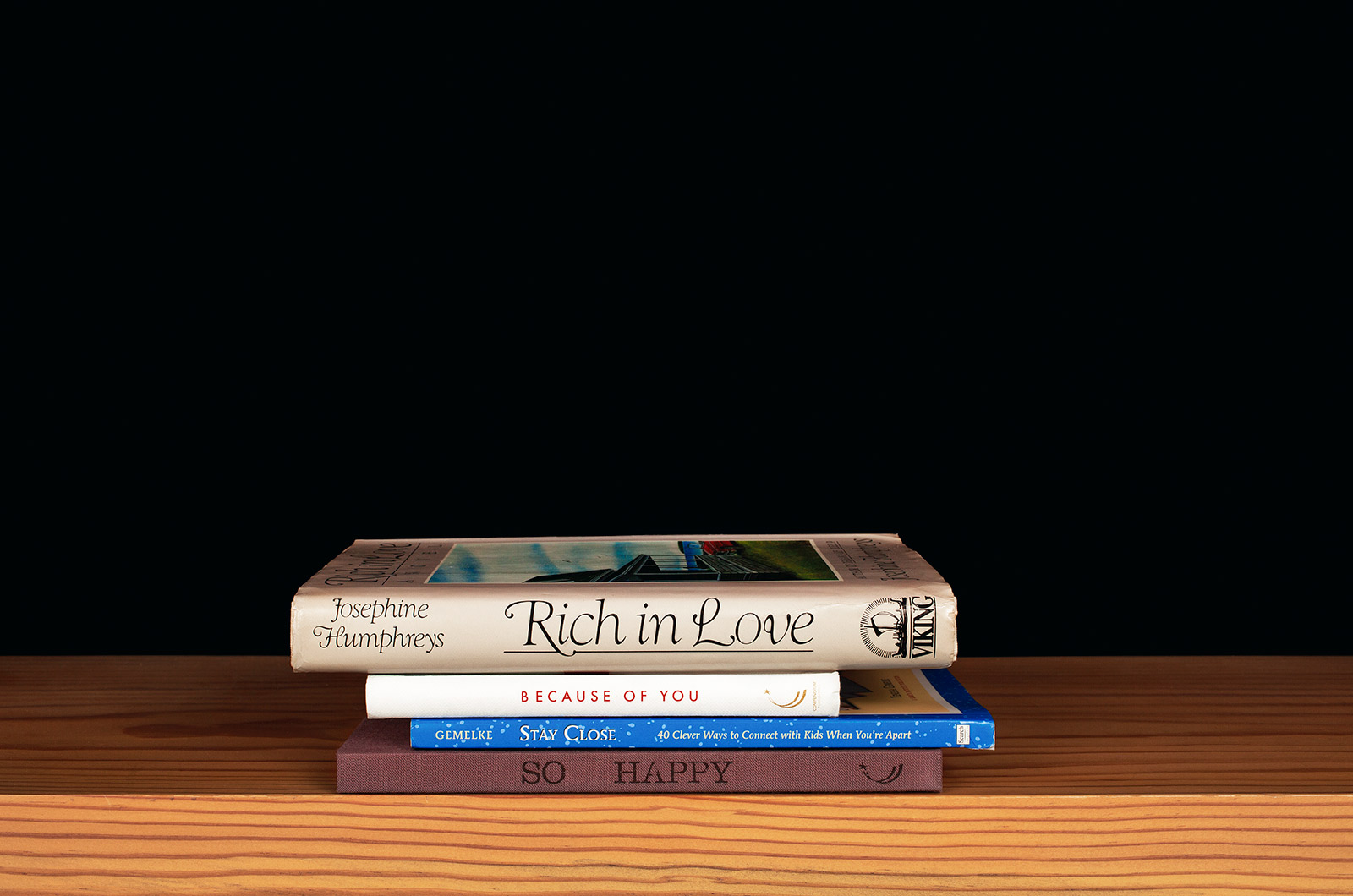
Rich in Love, from the series Family Gathering, 2013, from the project “Sorted Books,” 1993 and ongoing. Digital chromogenic prints, 12.5 × 19 inches.
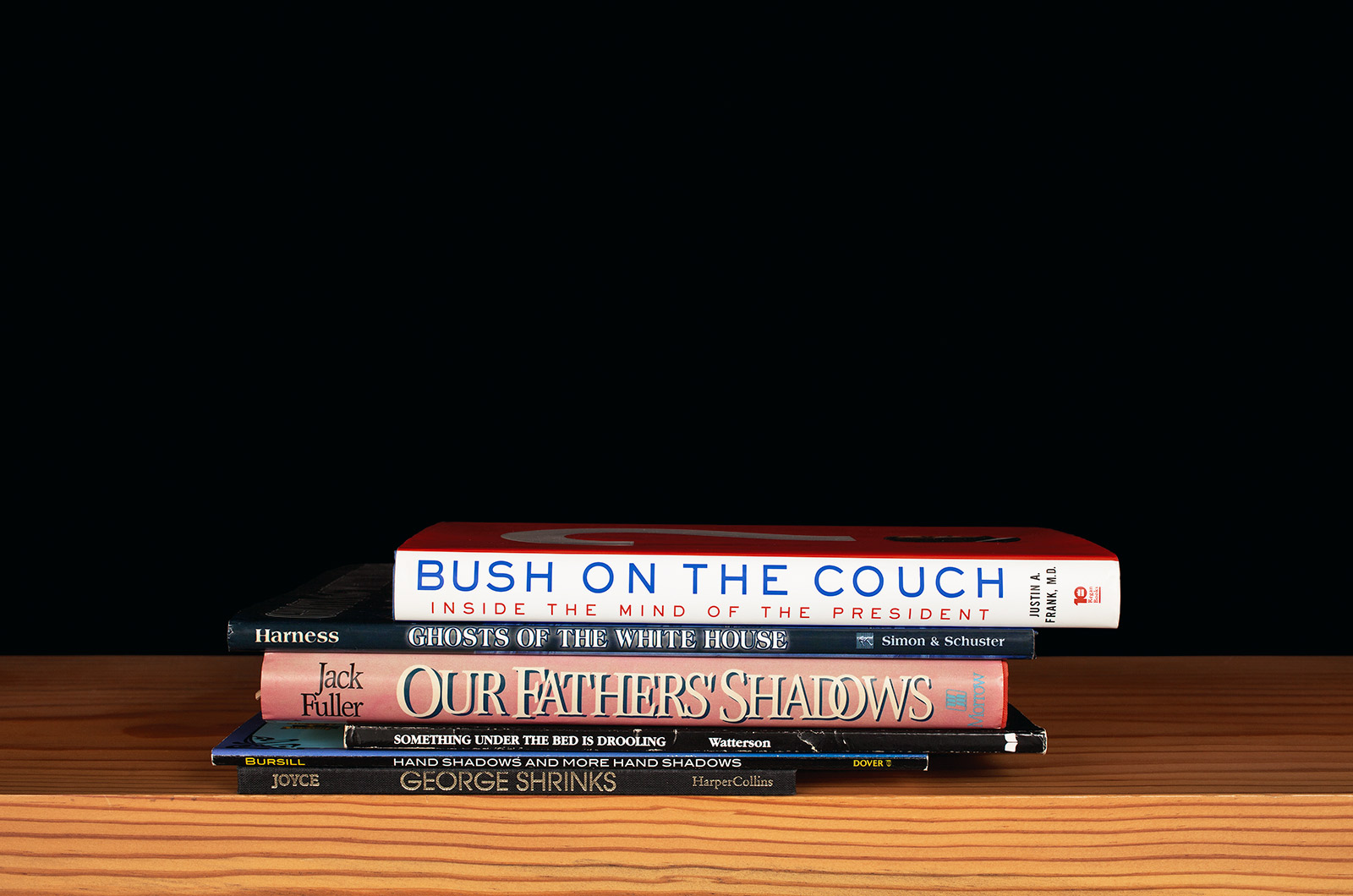
Bush on the Couch, from the series Family Gathering, 2013, from the project “Sorted Books,” 1993 and ongoing. Digital chromogenic prints, 12.5 × 19 inches.
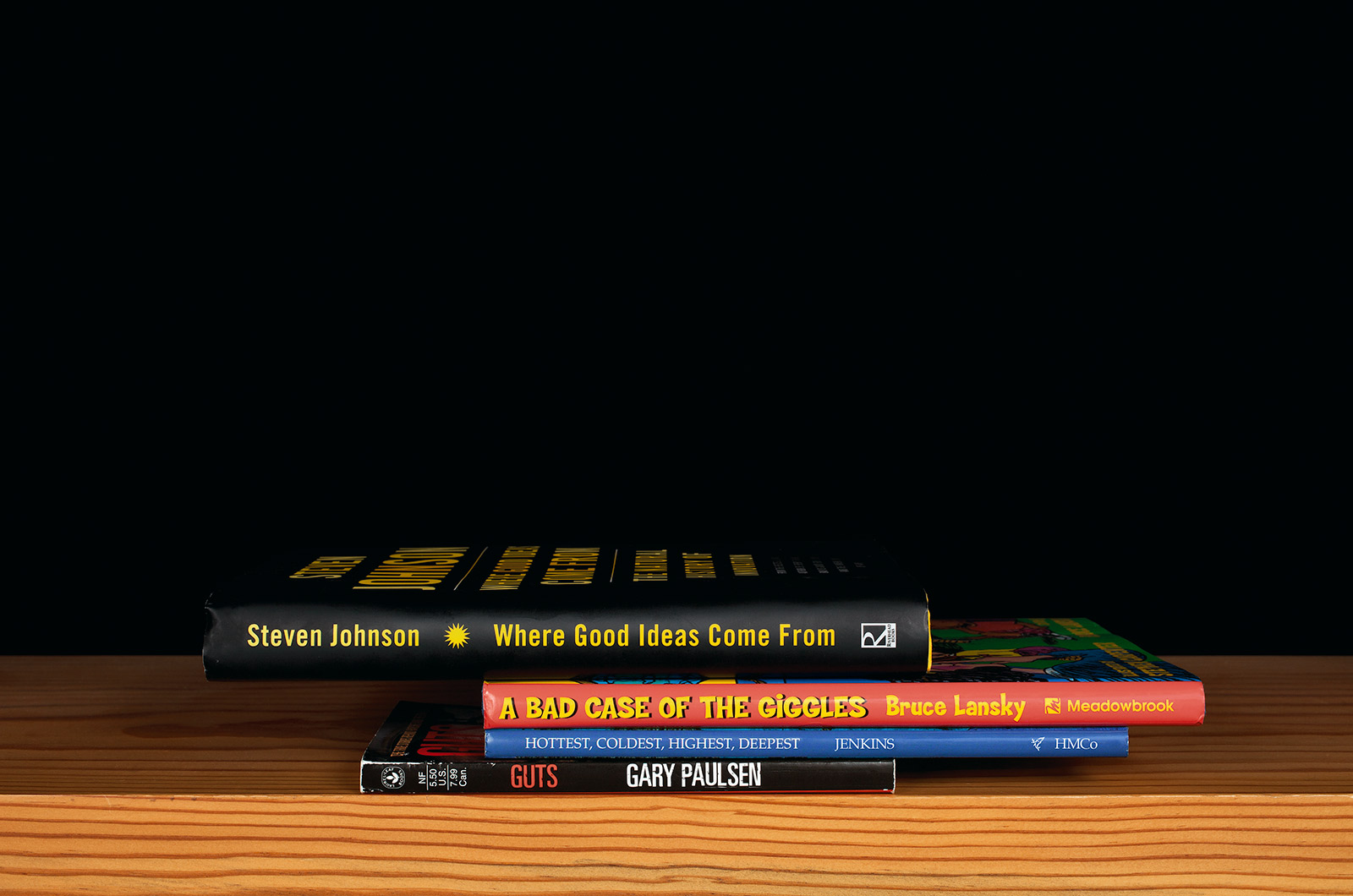
Where Good Ideas Come From, from the series Family Gathering, 2013, from the project “Sorted Books,” 1993 and ongoing. Digital chromogenic prints, 12.5 × 19 inches.

Machine in the Studio, from the series Family Gathering, 2013, from the project “Sorted Books,” 1993 and ongoing. Digital chromogenic prints, 12.5 × 19 inches.
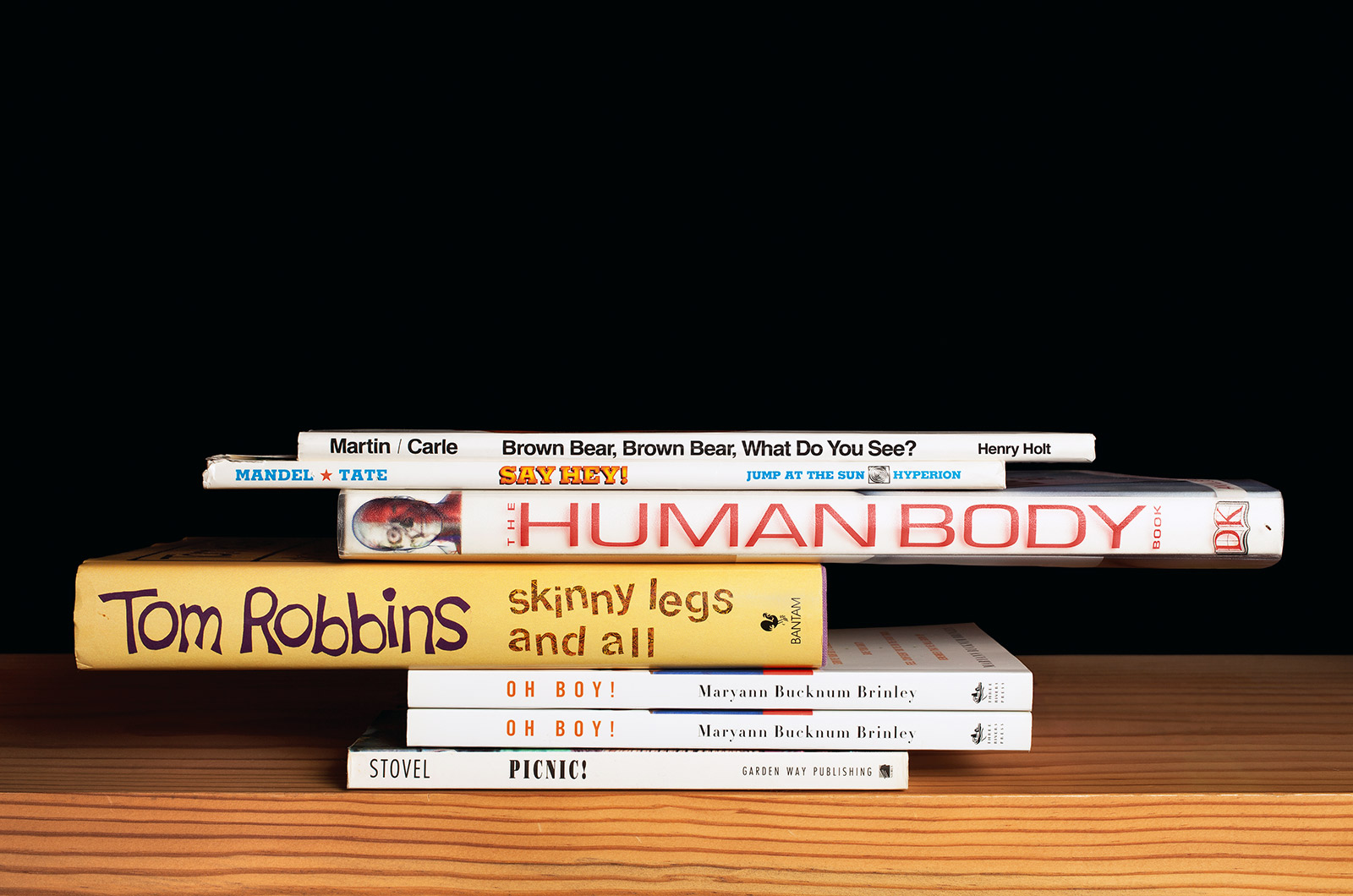
Brown Bear, Brown Bear, What Did You See?, from the series Family Gathering, 2013, from the project “Sorted Books,” 1993 and ongoing. Digital chromogenic prints, 12.5 × 19 inches.
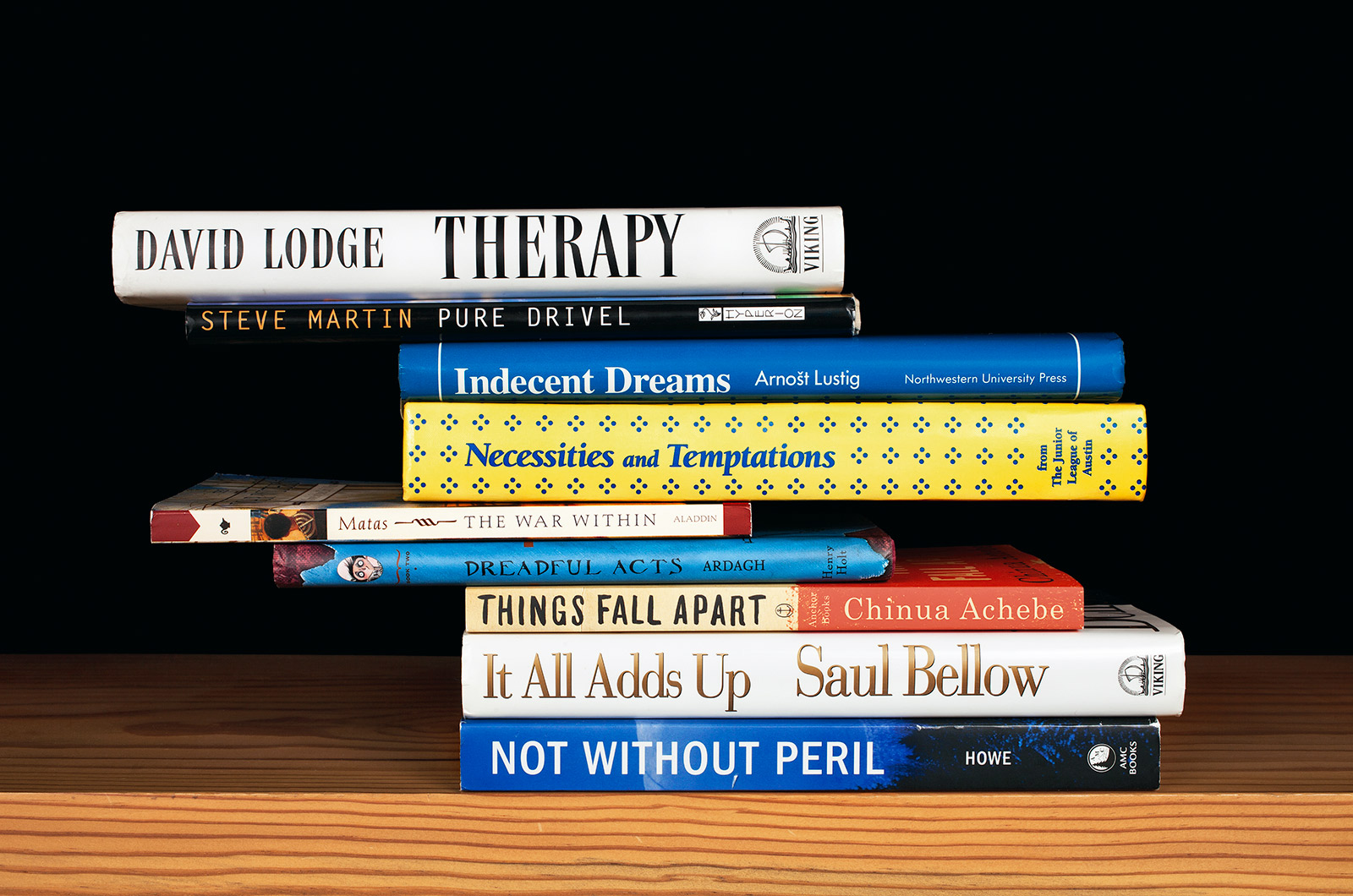
Therapy, from the series Family Gathering, 2013, from the project “Sorted Books,” 1993 and ongoing. Digital chromogenic prints, 12.5 × 19 inches.